Welcome to Martelo Bespoke.
I’m Simon Martelo, founder and head cutter.
This is my letter of introduction to our tailor shop—a glimpse of who we are and how we think about bespoke tailoring.
To book an appointment or an introductory call—or simply to ask a question—use the button in the lower-right corner.
You’ll reach me directly.
Thank you for visiting. I hope you enjoy.
Who we are
We’re a bespoke tailor shop based in Bogotá, Colombia. We’ve been serving clients since 2011, from our main location in Bogotá and through trunk shows in New York City.
I started Martelo Bespoke after noticing how the essence of the bespoke process was being lost in a haze of bad-faith marketing and client confusion. I wanted to create a place that would vow to keep sacred the three most fundamental elements that make bespoke, bespoke:
1. An individual paper pattern made and kept for each client.
2. A process that includes at least three fittings.
3. Every garment crafted using traditional hand-canvassing.
But it was through working closely with clients that I discovered a fourth element—one I now consider to be the most valuable of them all: the client-tailor relationship.
To me, bespoke is not just about handcrafted garments; it’s about building a relationship that’s grounded in trust, communication, and mutual understanding.
Choosing your tailor is not the same thing as going shopping because it’s not just about buying clothes. It’s about having conversations that enquire into what is your unique way of being in the world. It goes even deeper than just figuring out “what you like” or “what’s your style”. A relationship with your tailor is way to elevate how you want to show up in life—for yourself and for those around you.
Here we approach clothes with more intention—moving away from isolated purchases that lack coherence, and toward a wardrobe that truly serves and represents you. That brings joy and beauty into your life.
A often say this, so I’ll say it here: I don’t sell clothes, I sell “having a tailor”. And that, to me, is what makes bespoke extraordinarily unique in today’s world.
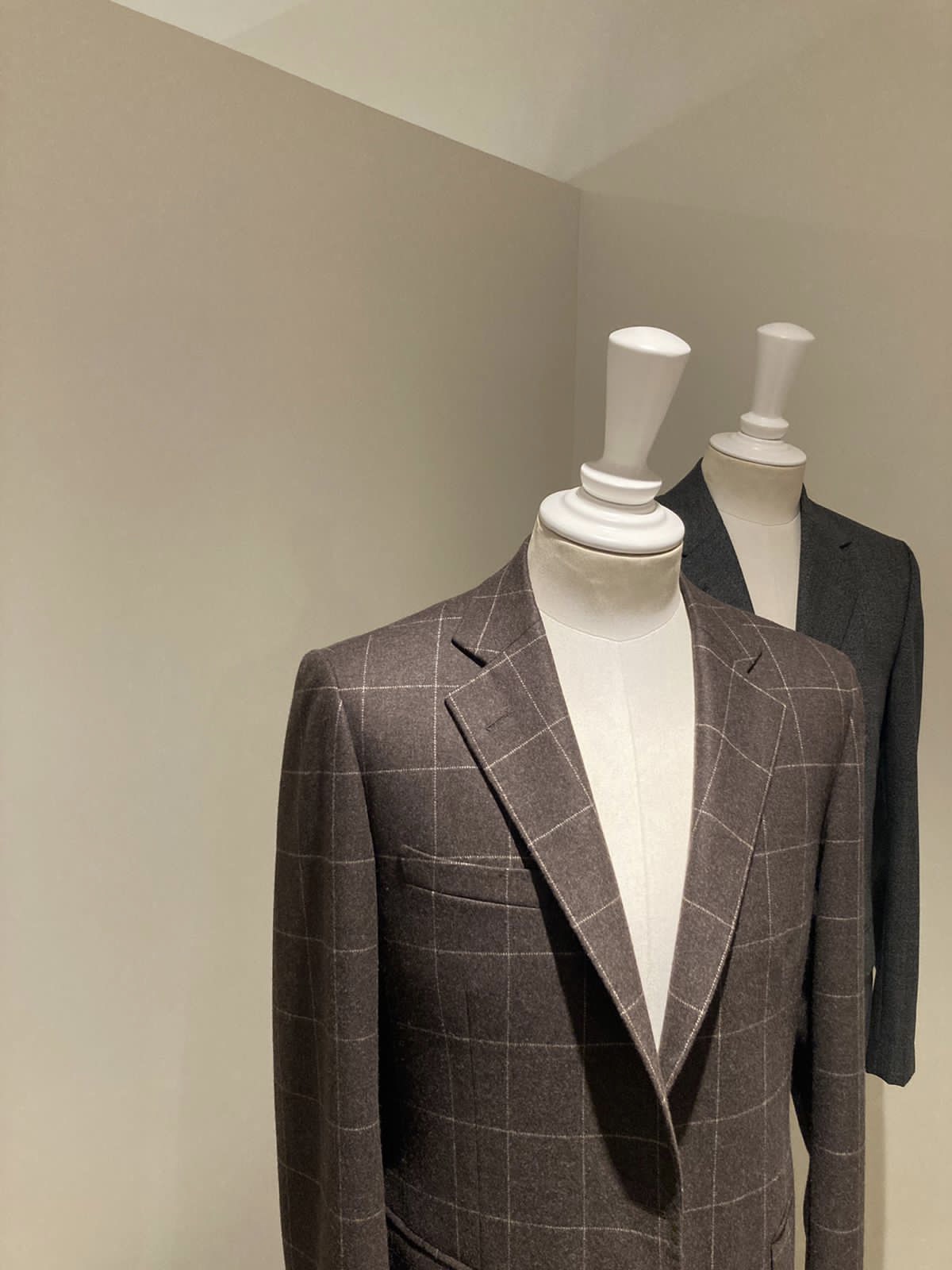
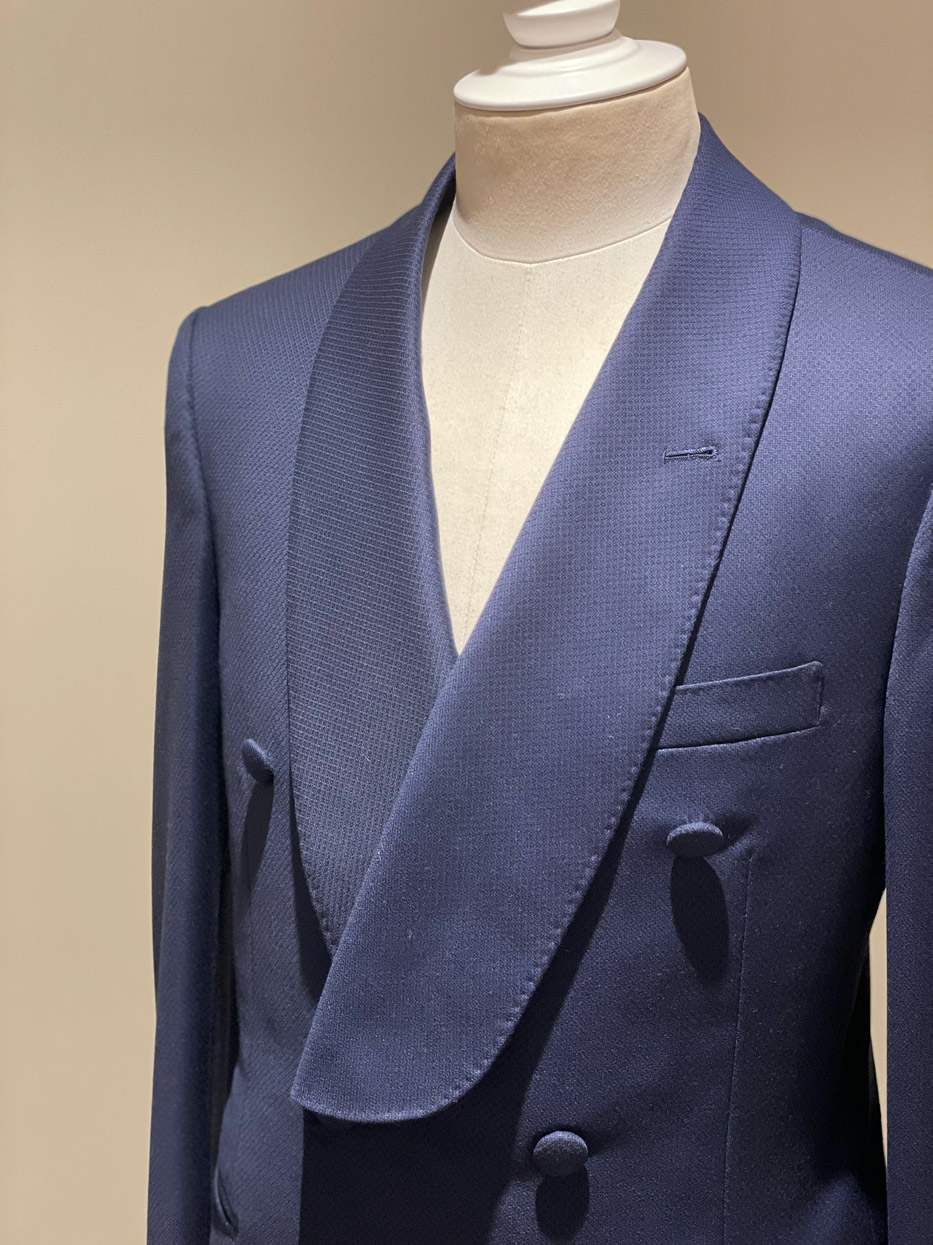
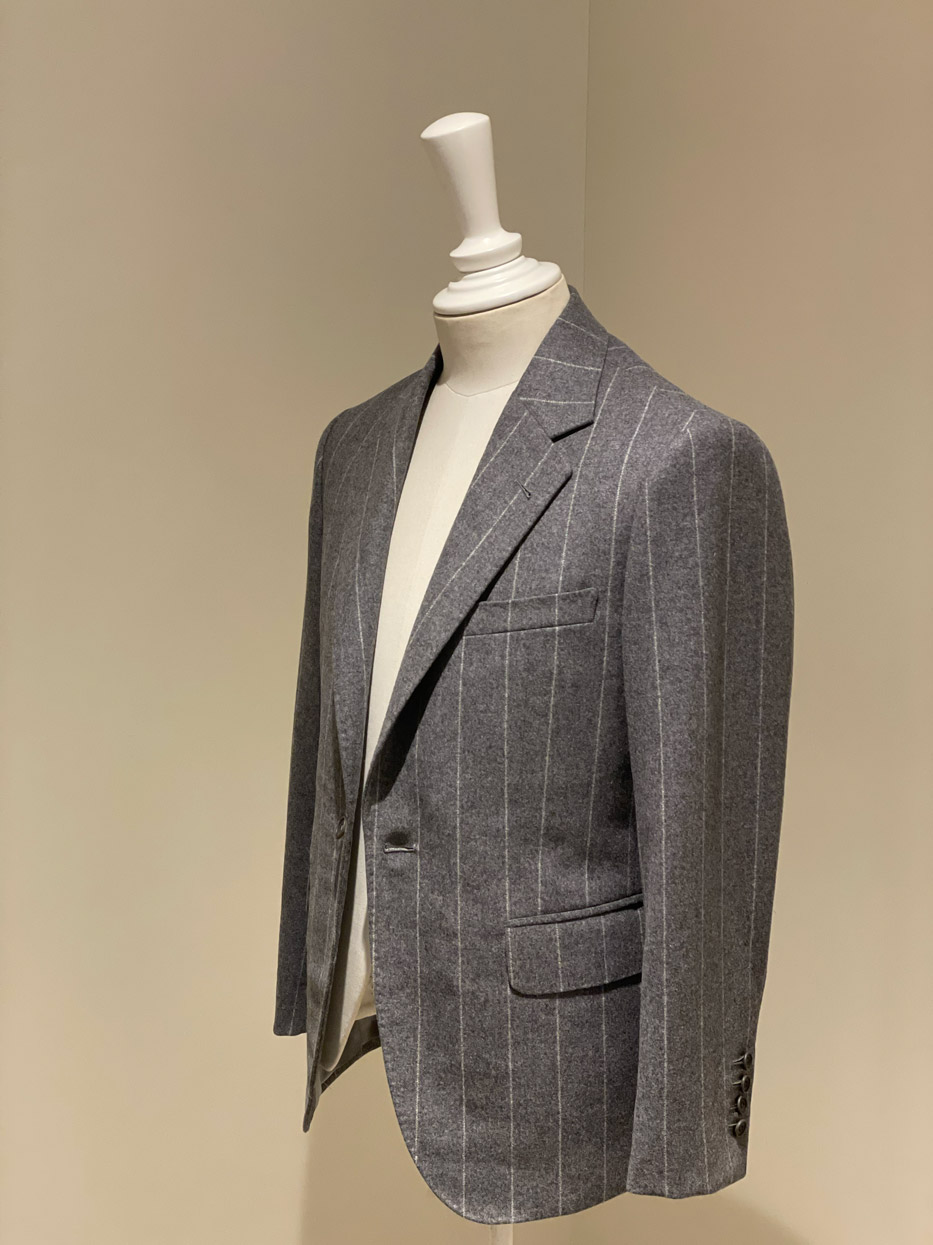
Understandably, bespoke has become synonymous with suits. But it isn’t.
In my view, bespoke is a process—one that allows us to build any garment we choose.
It can be elegant, but it doesn’t have to.
What’s special about it is that it’s about you—about making something that truly fits who you are.
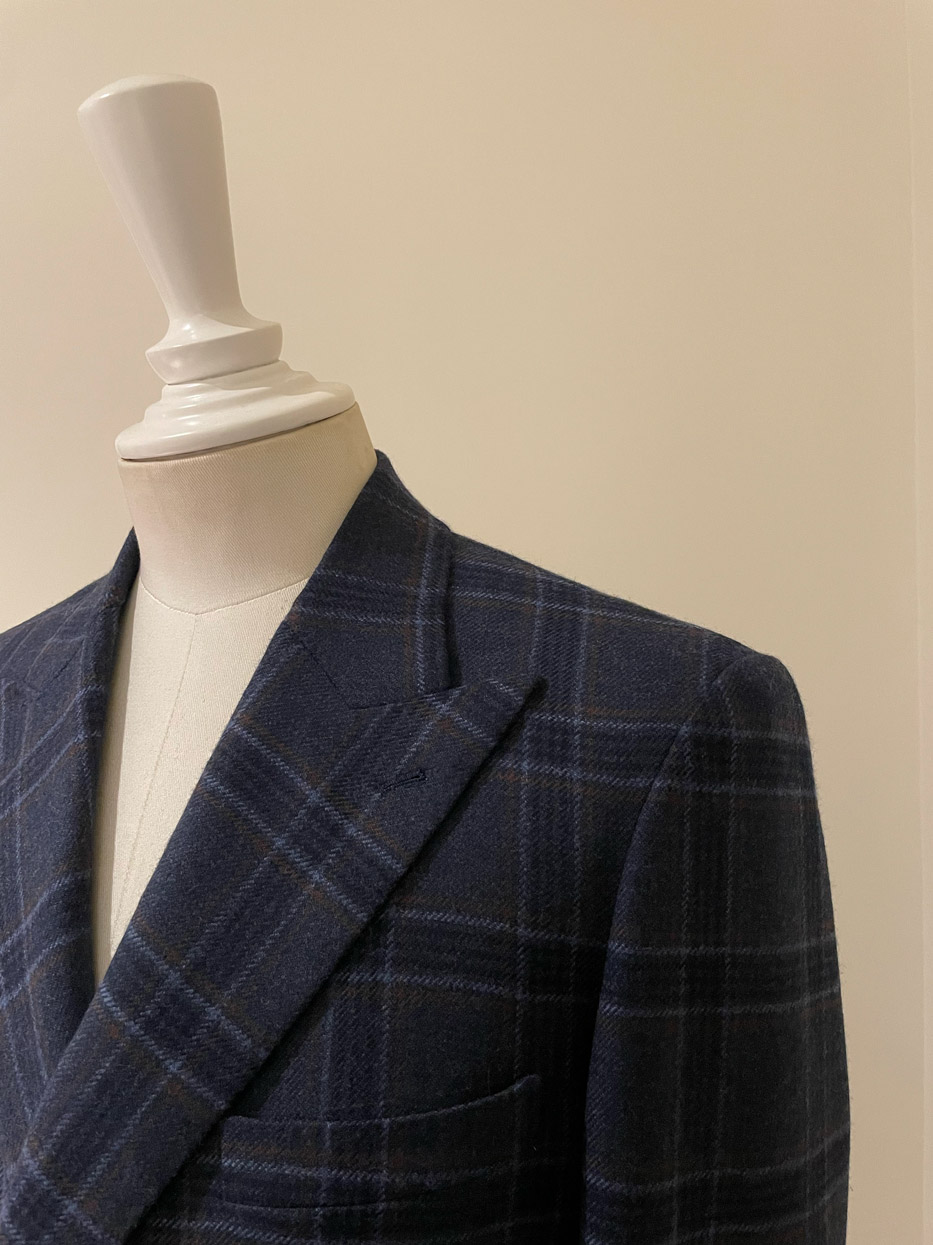
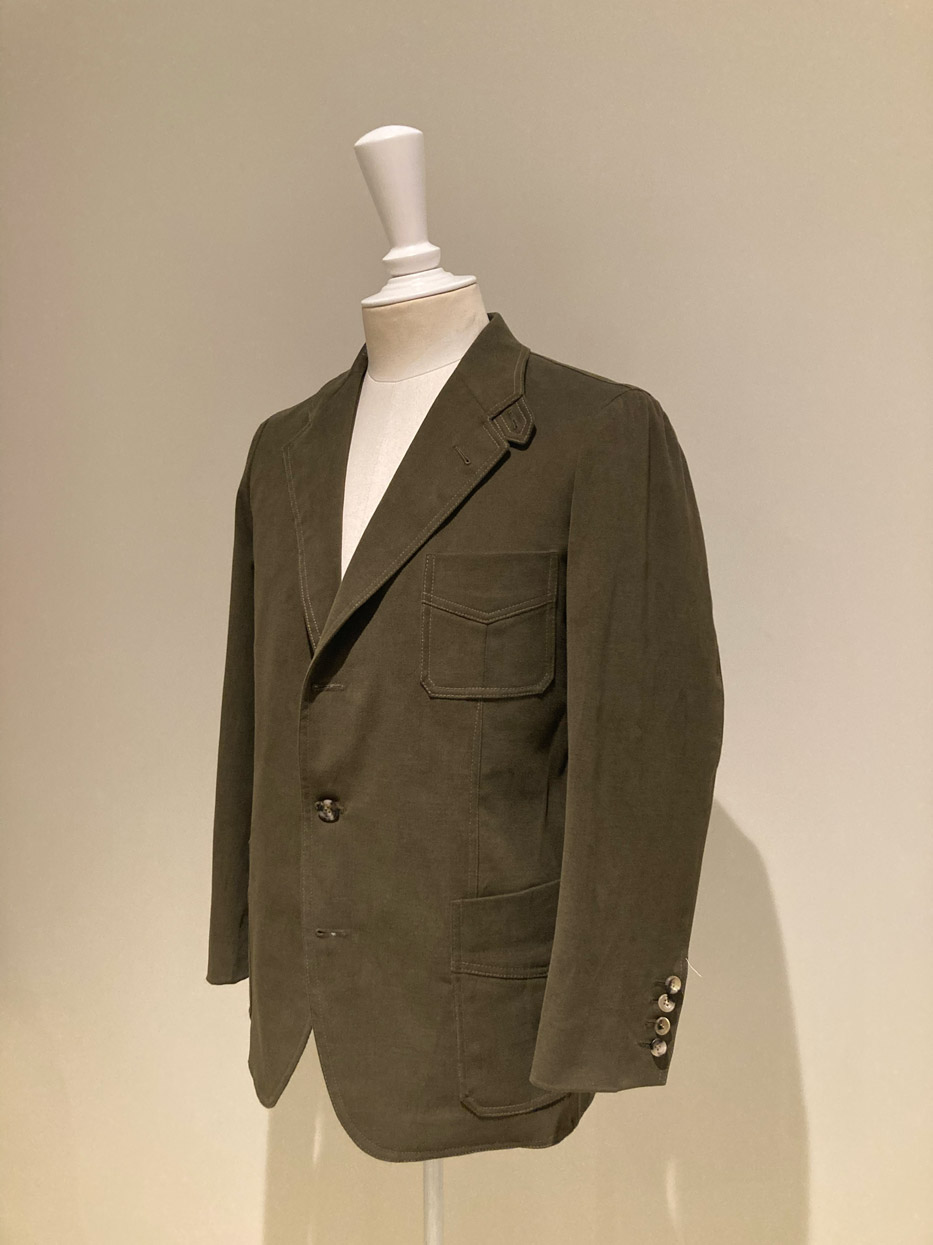
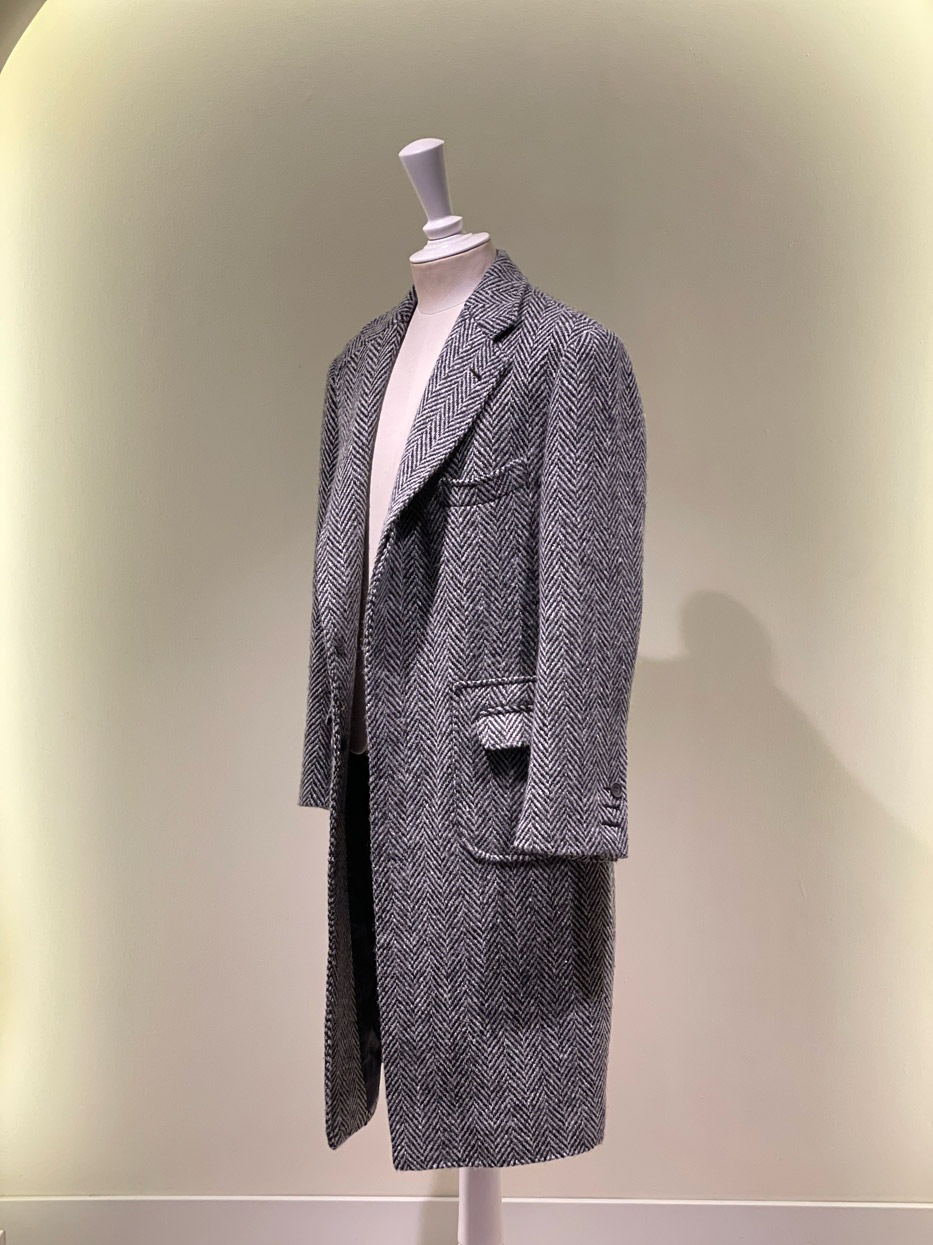
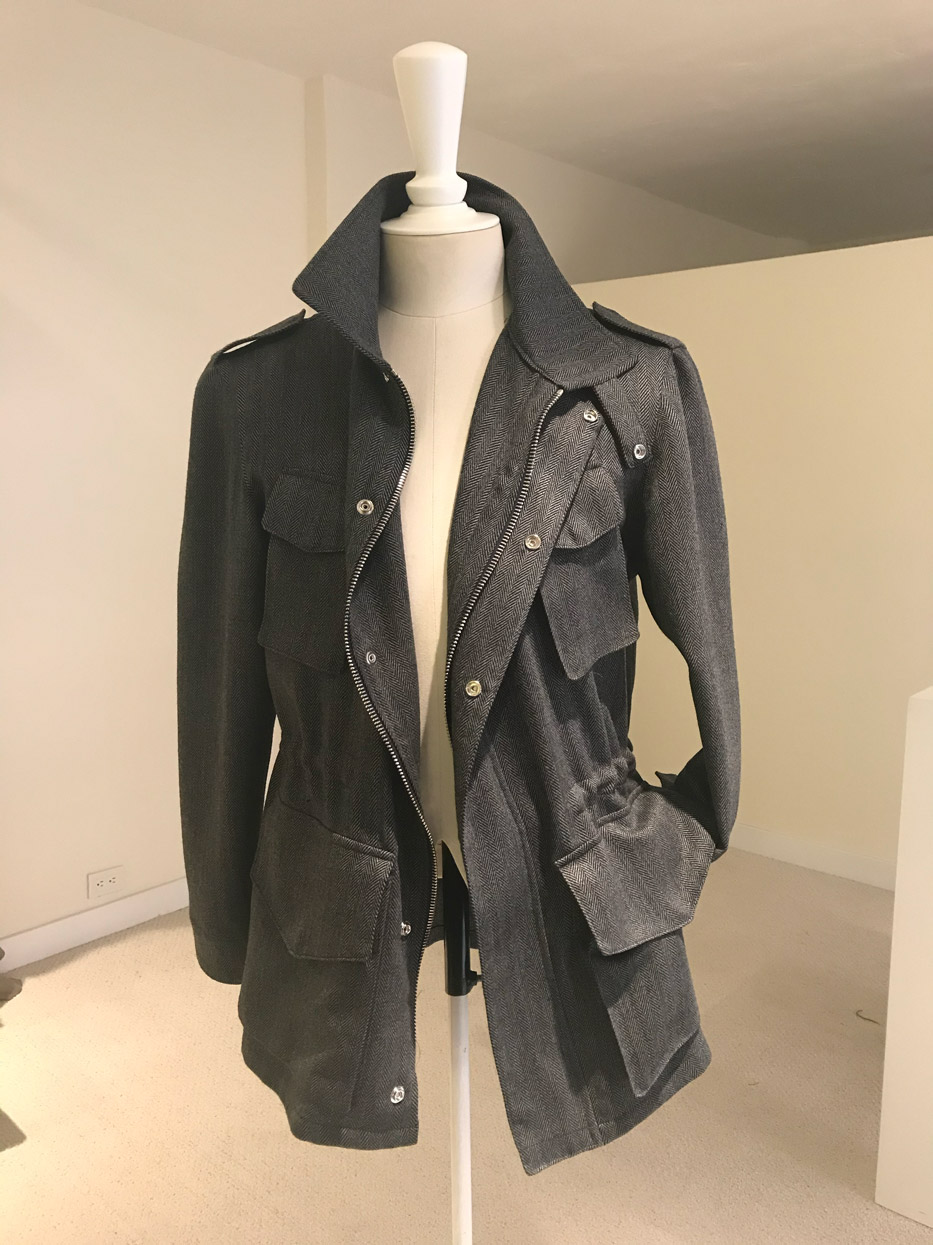
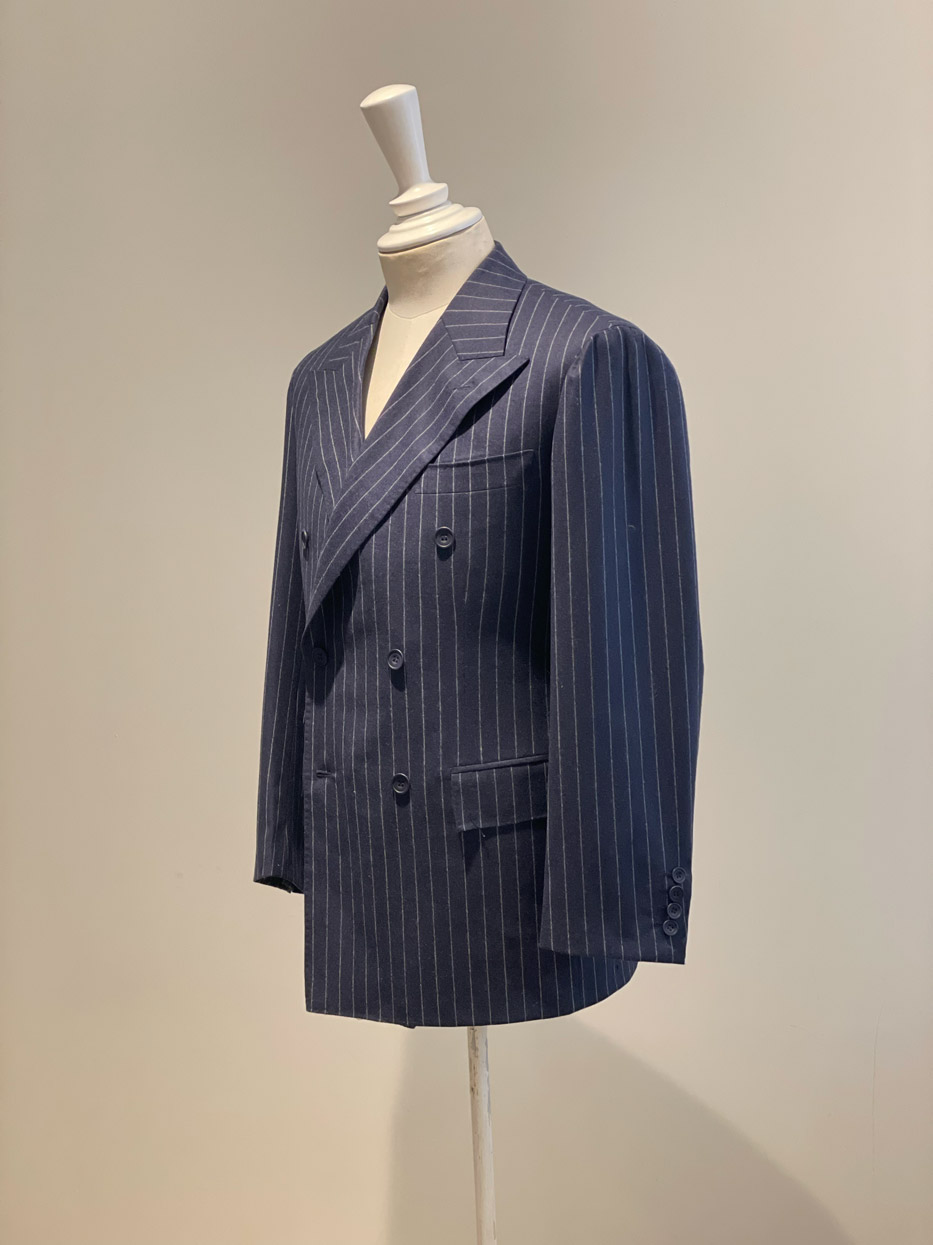
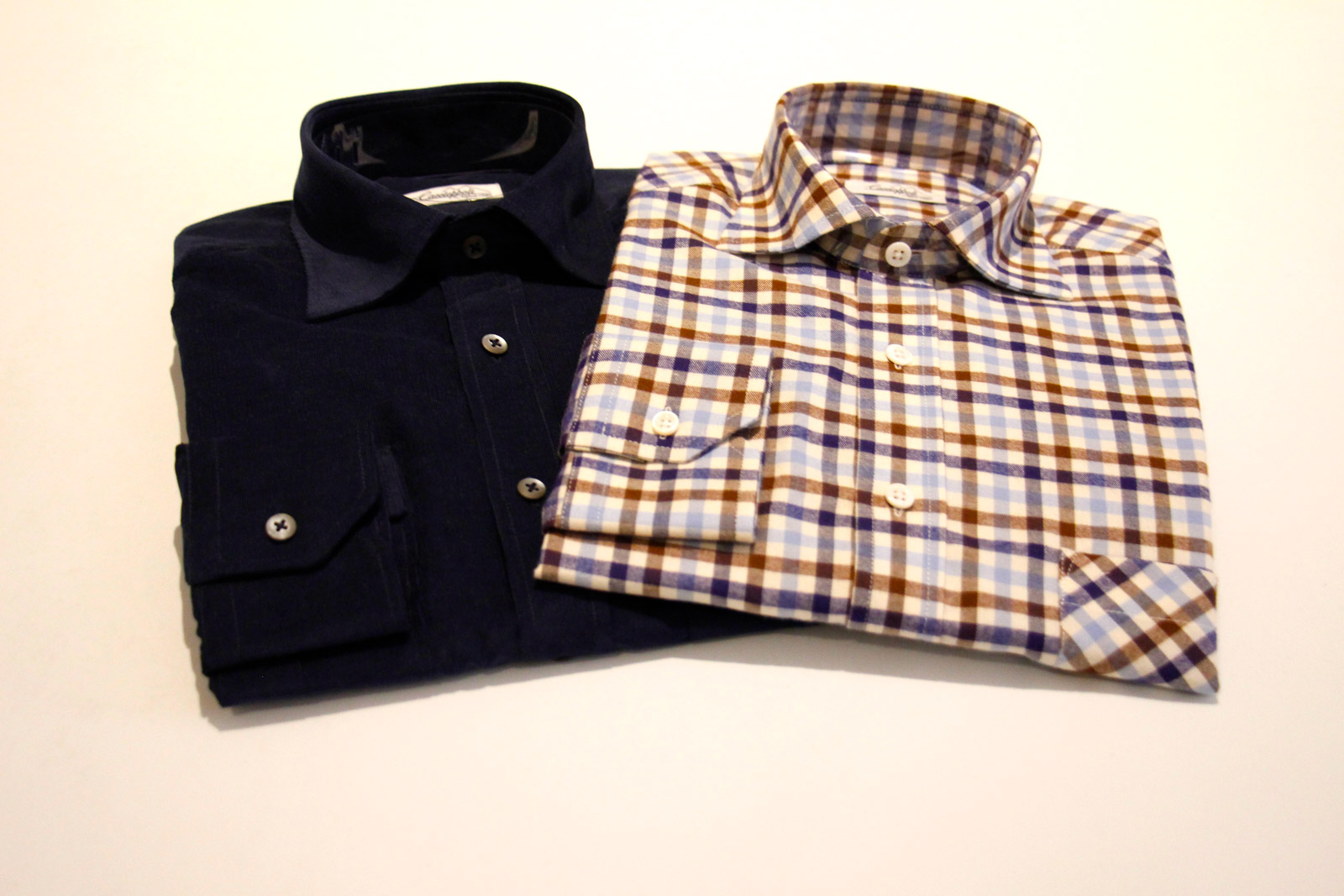
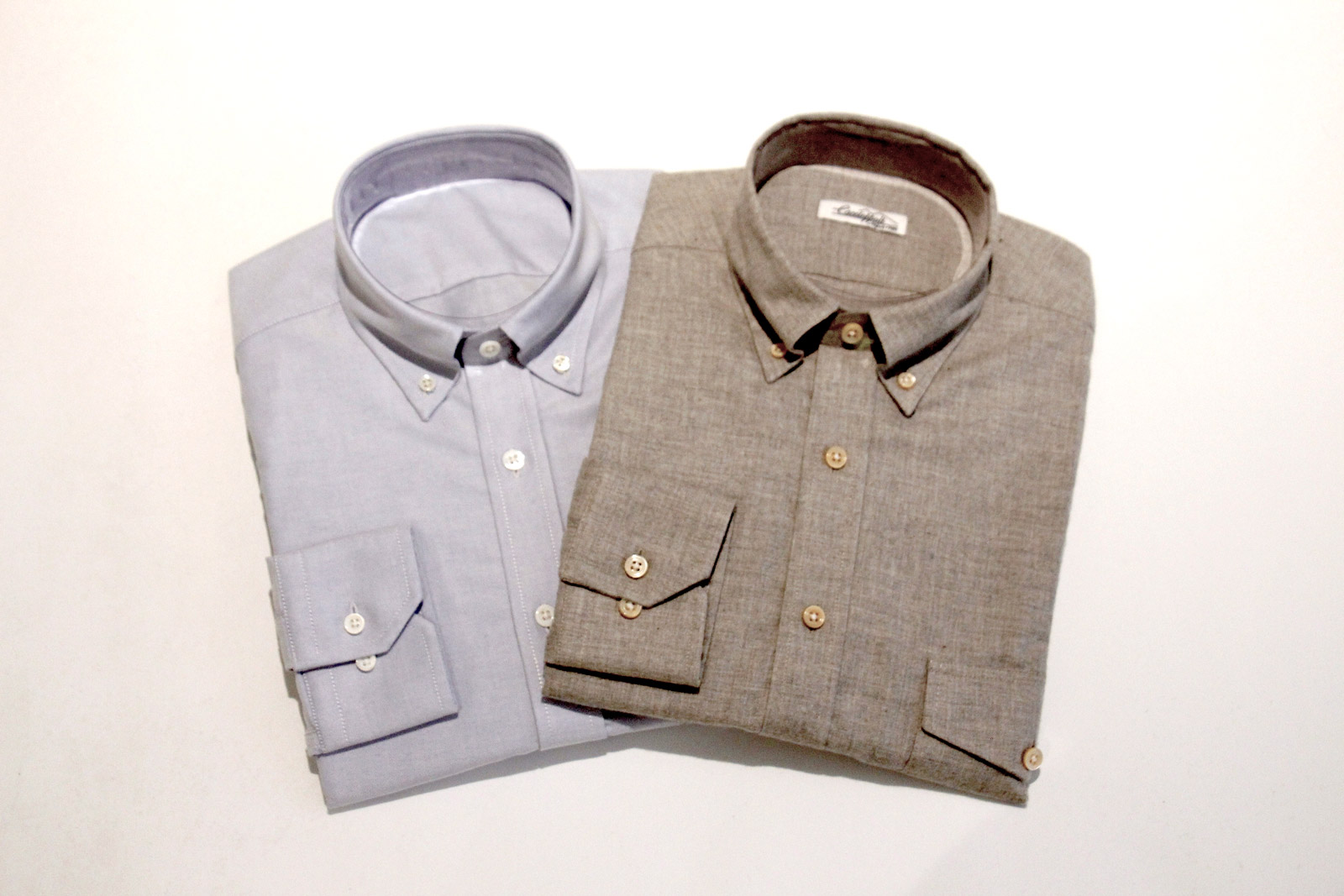
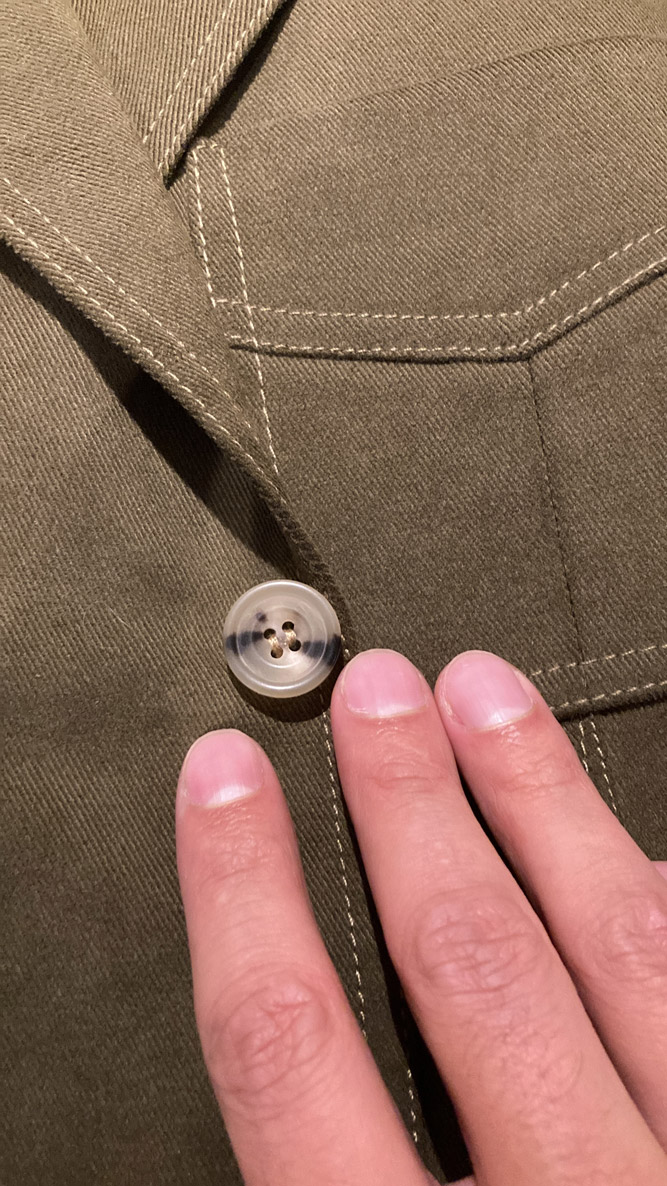
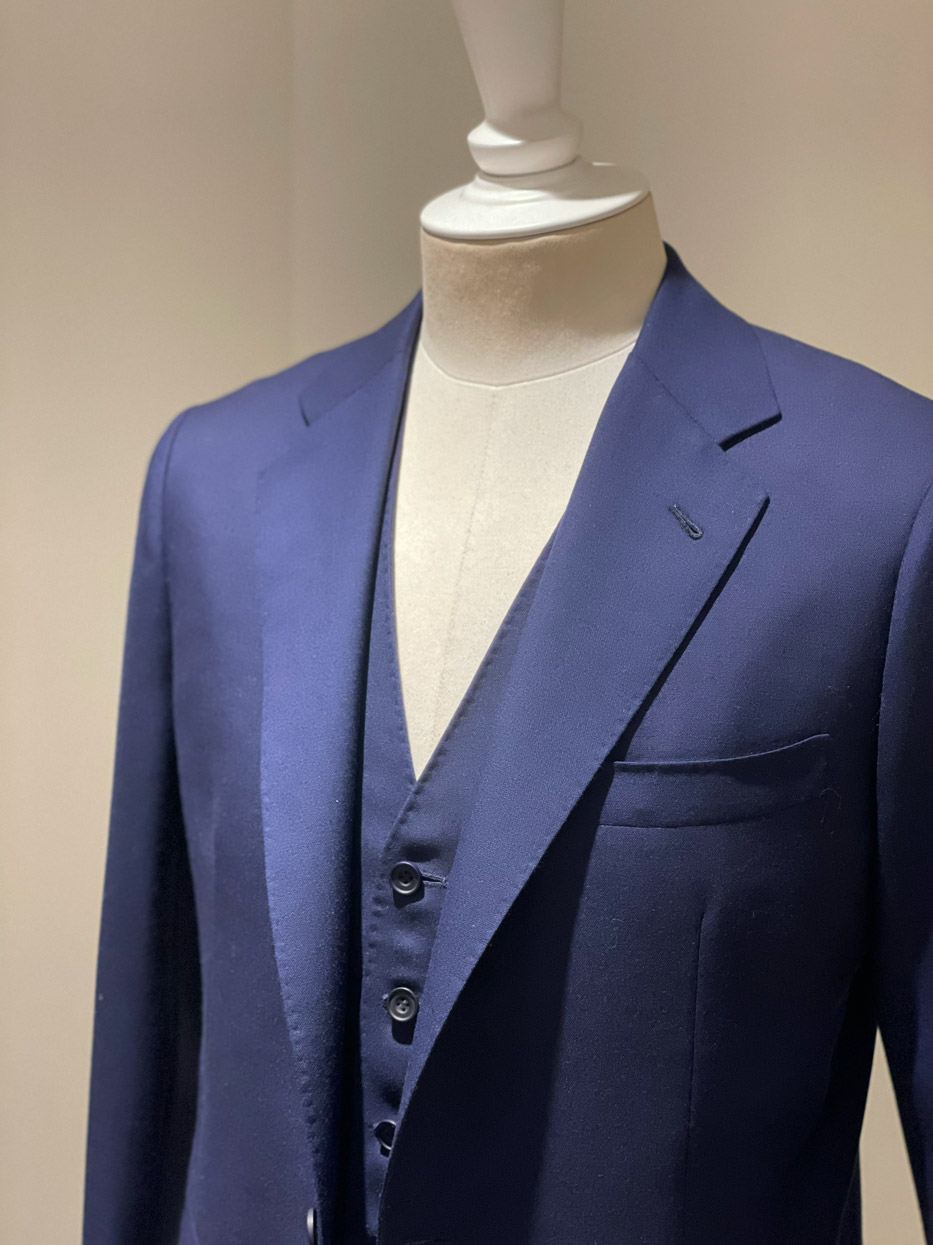
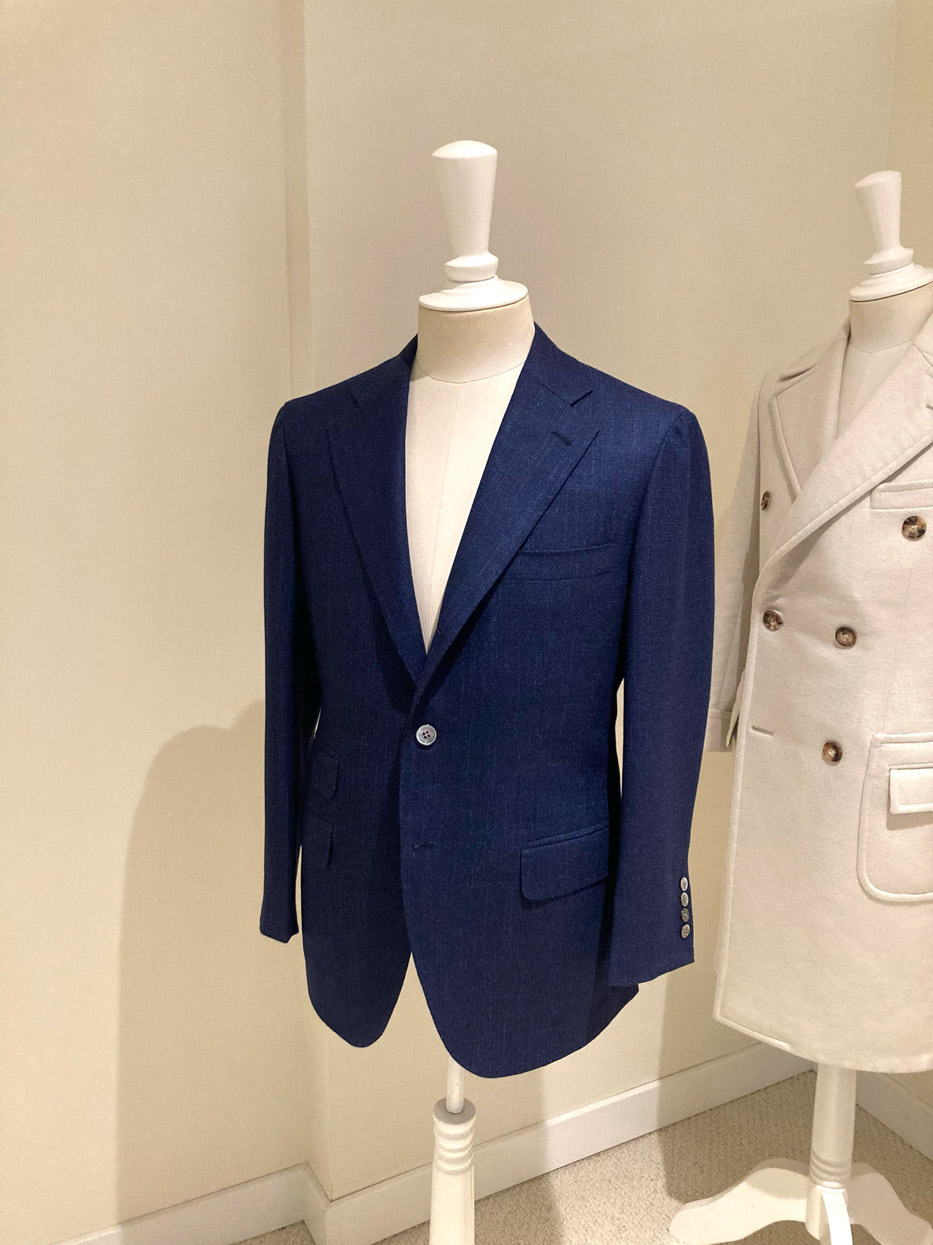
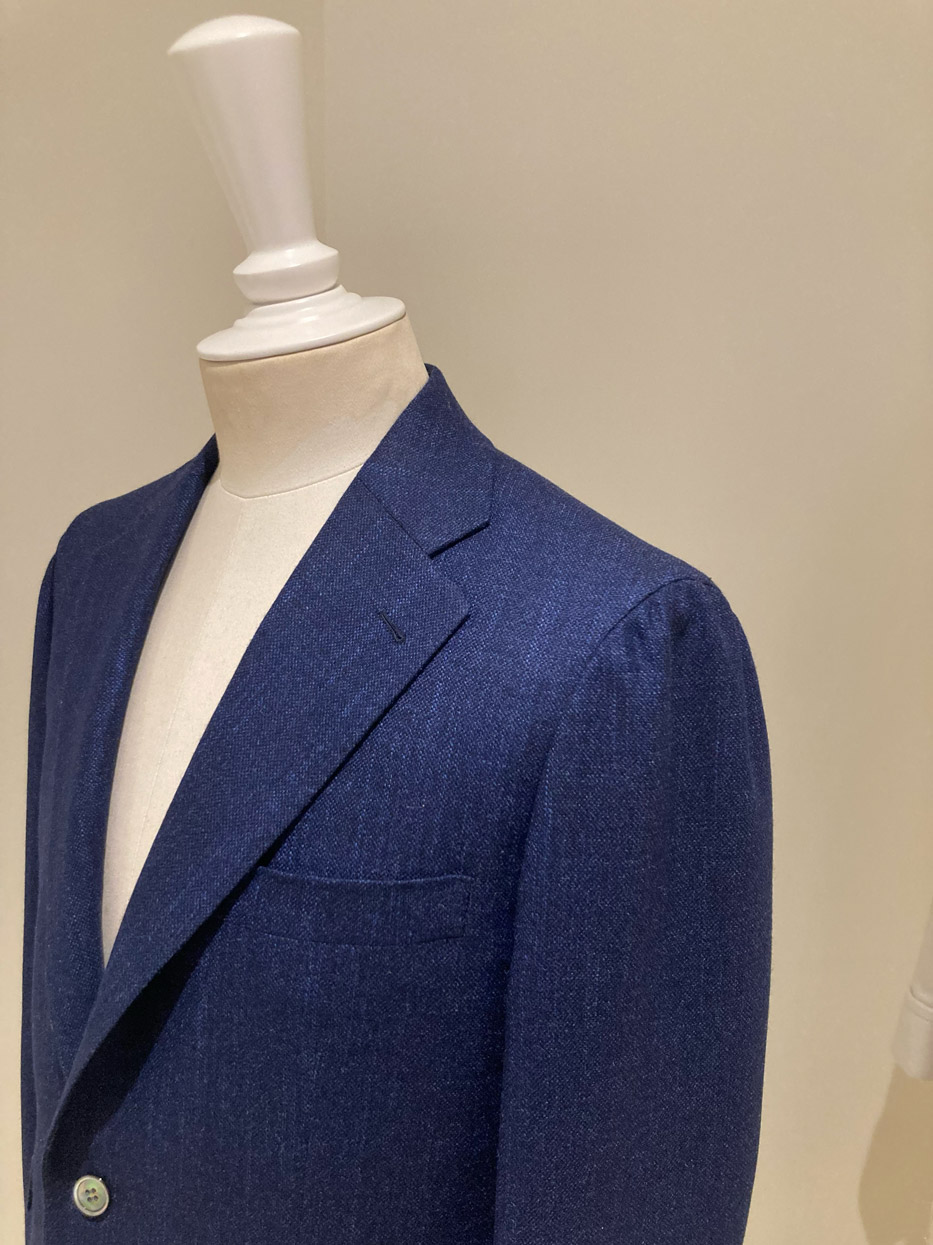
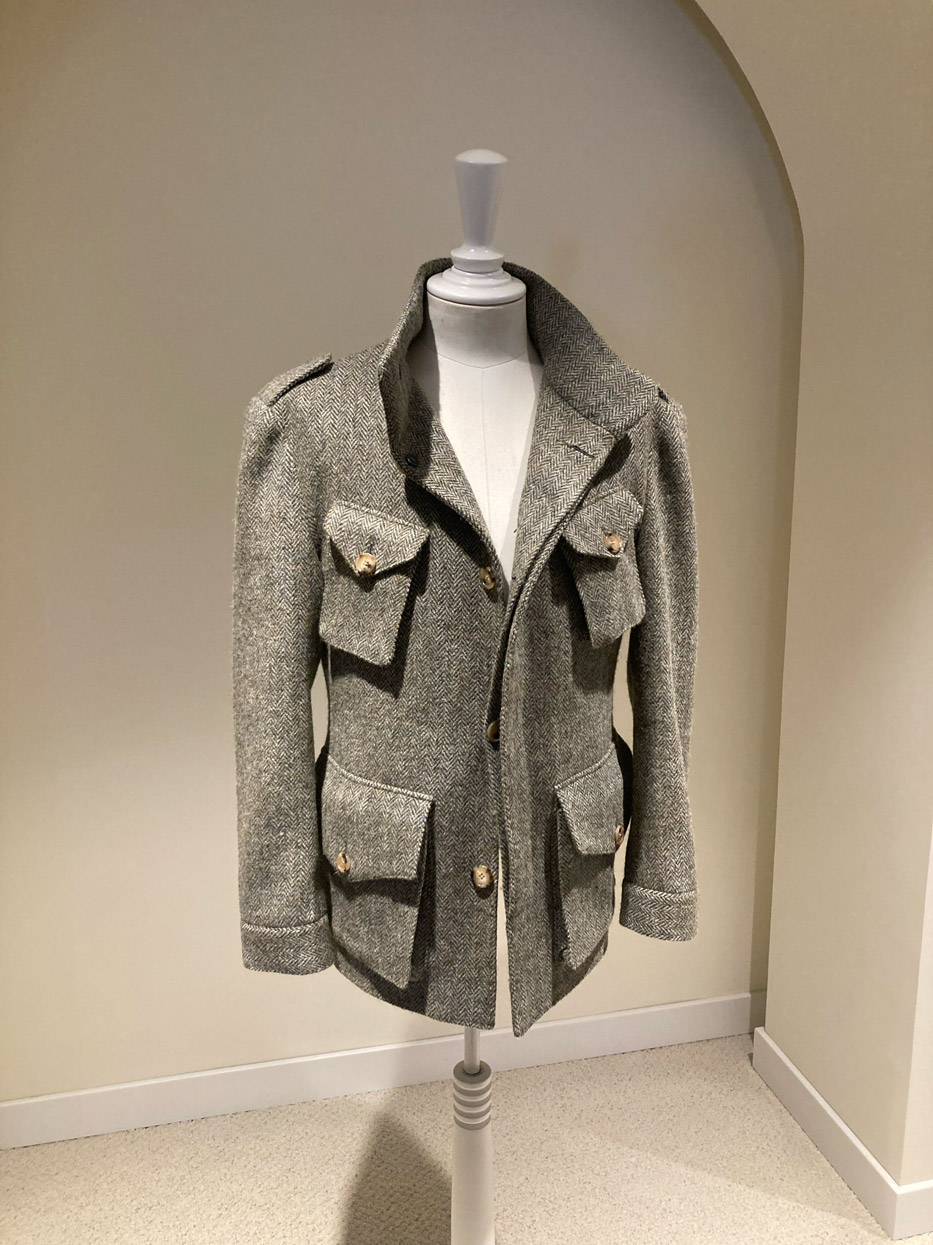
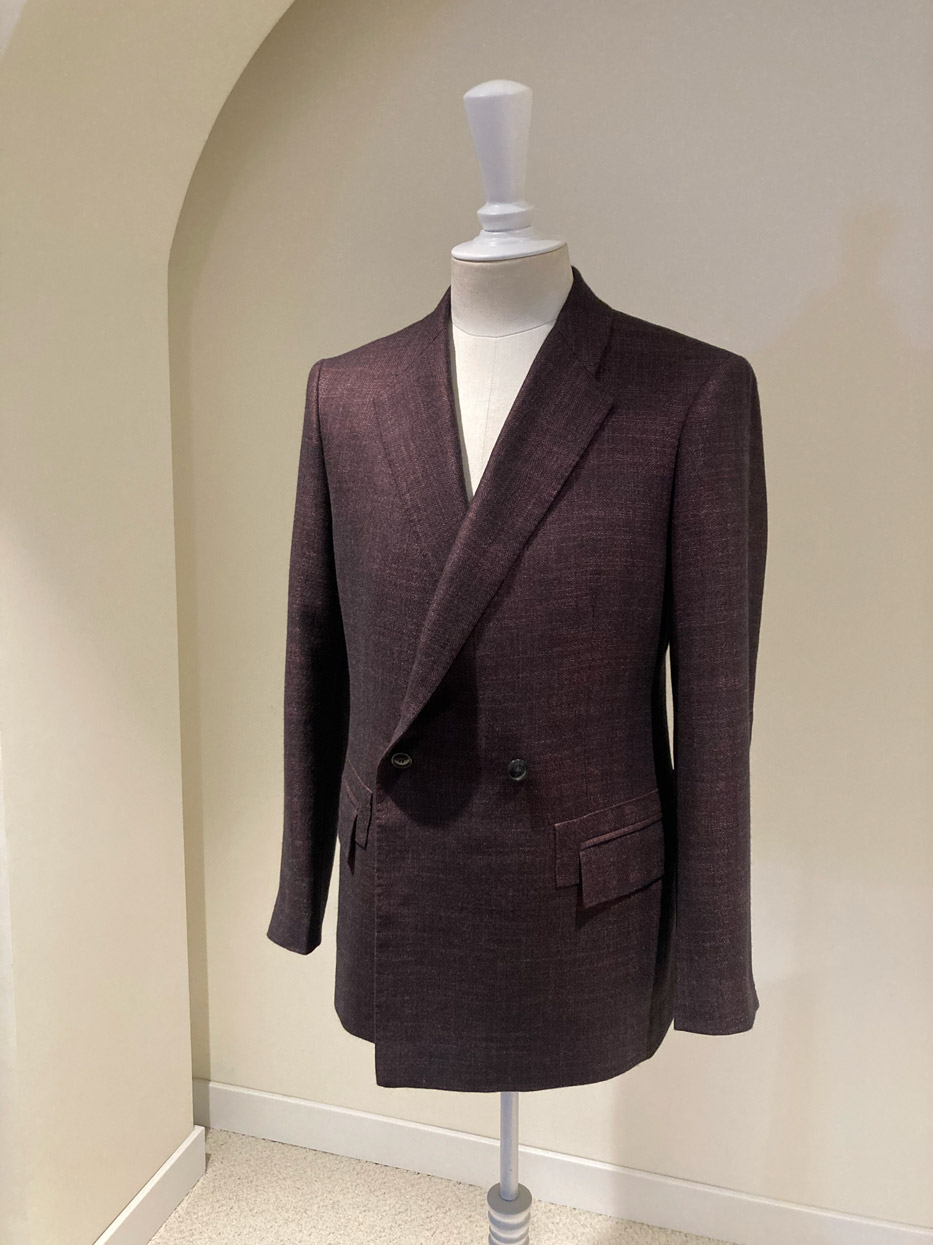
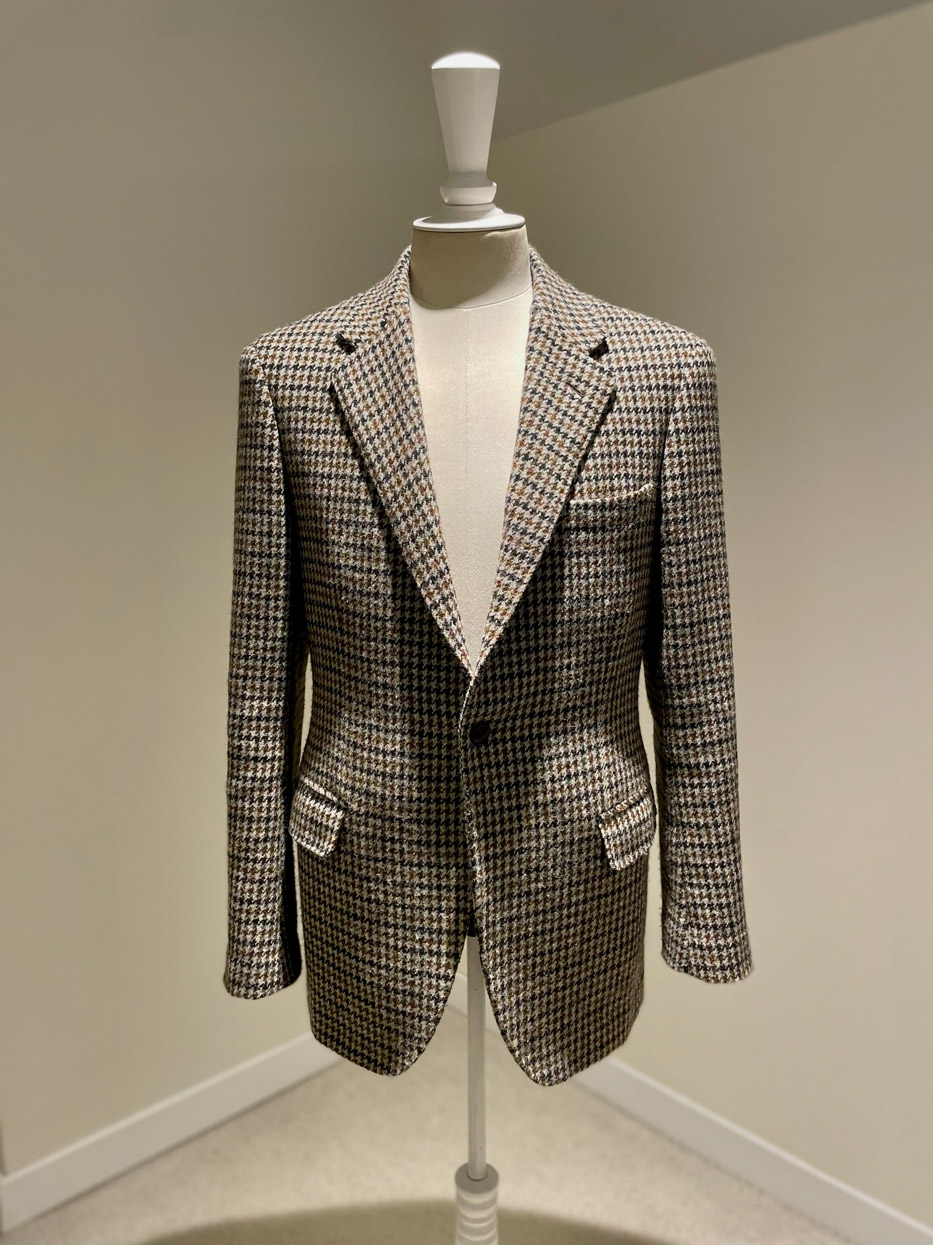
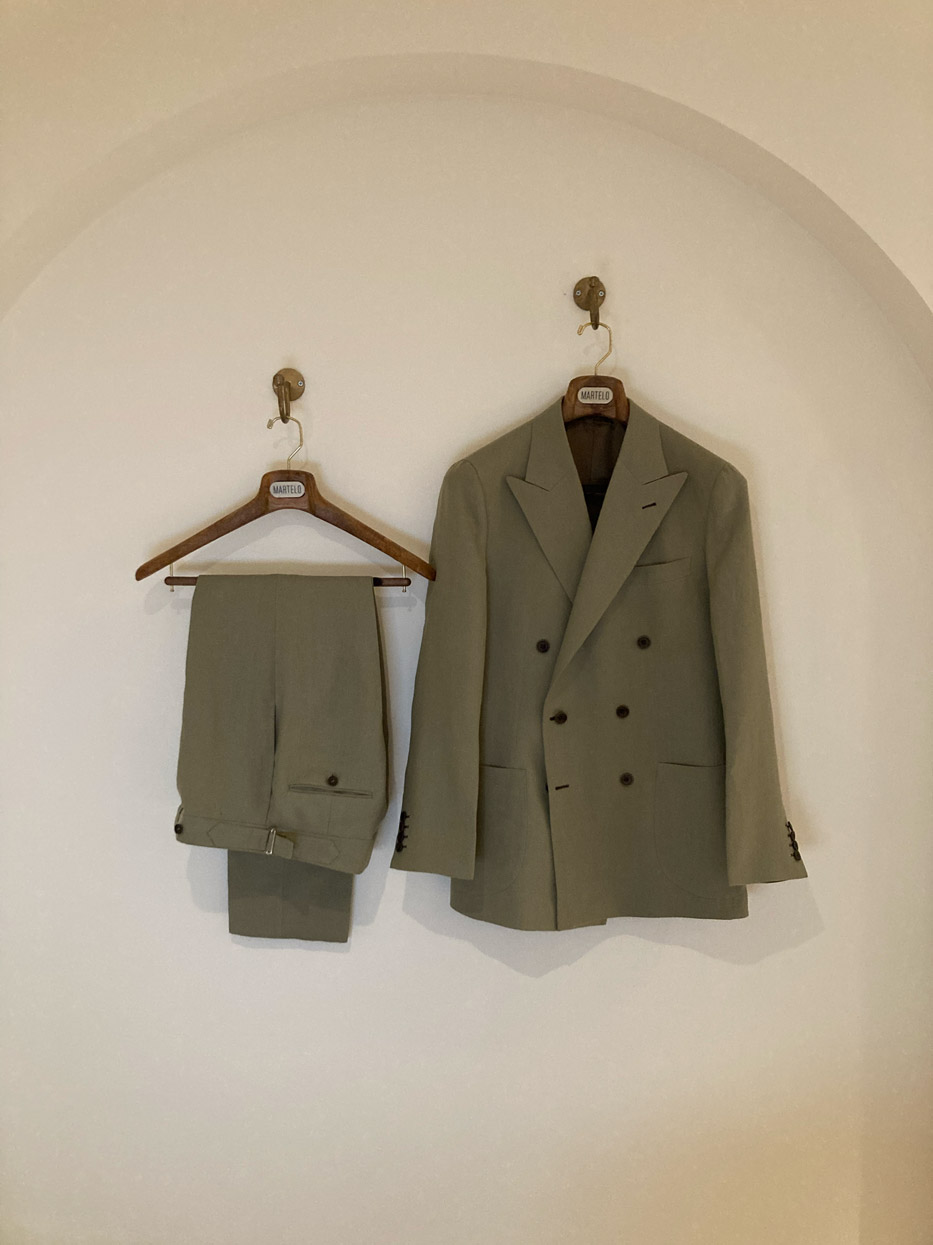
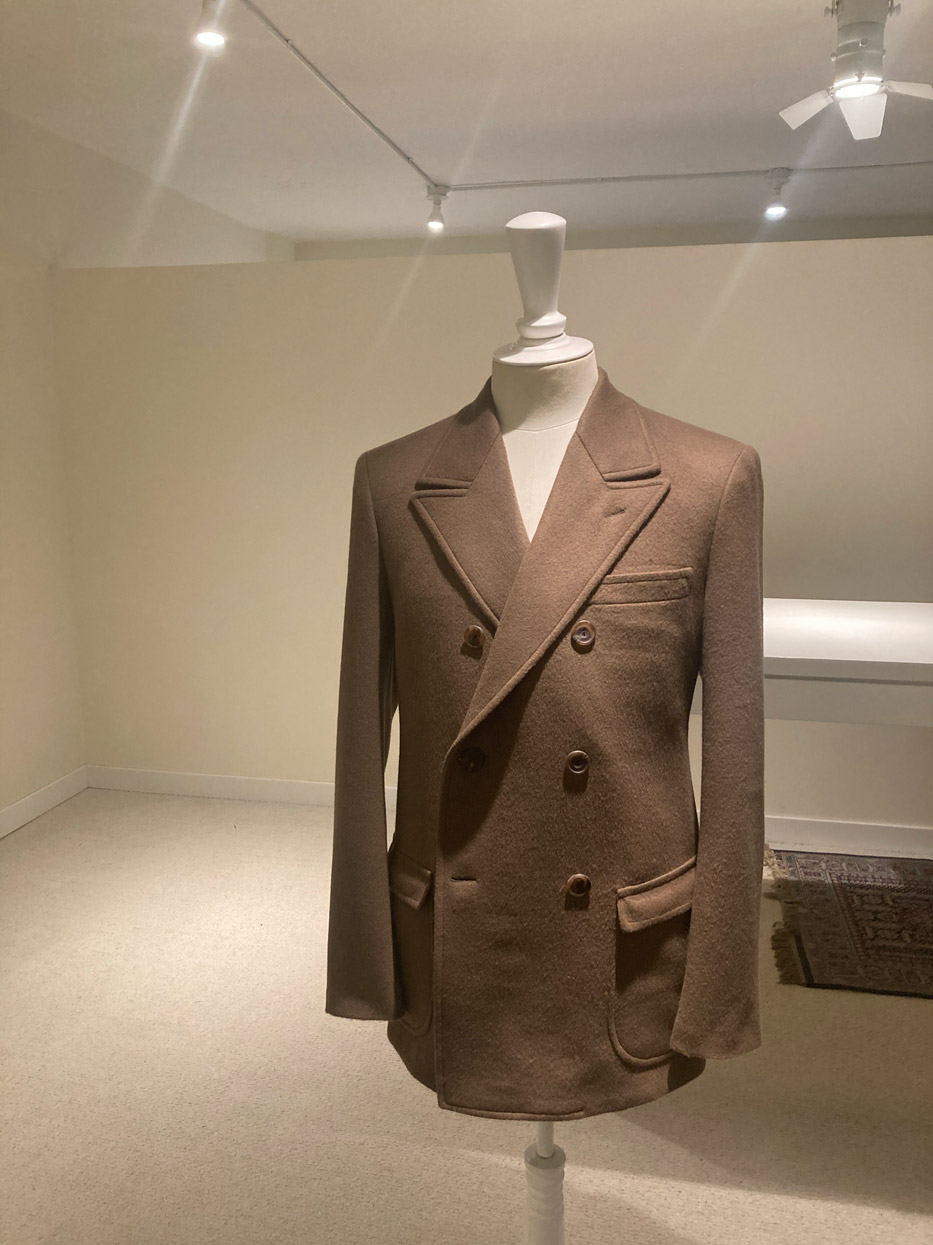
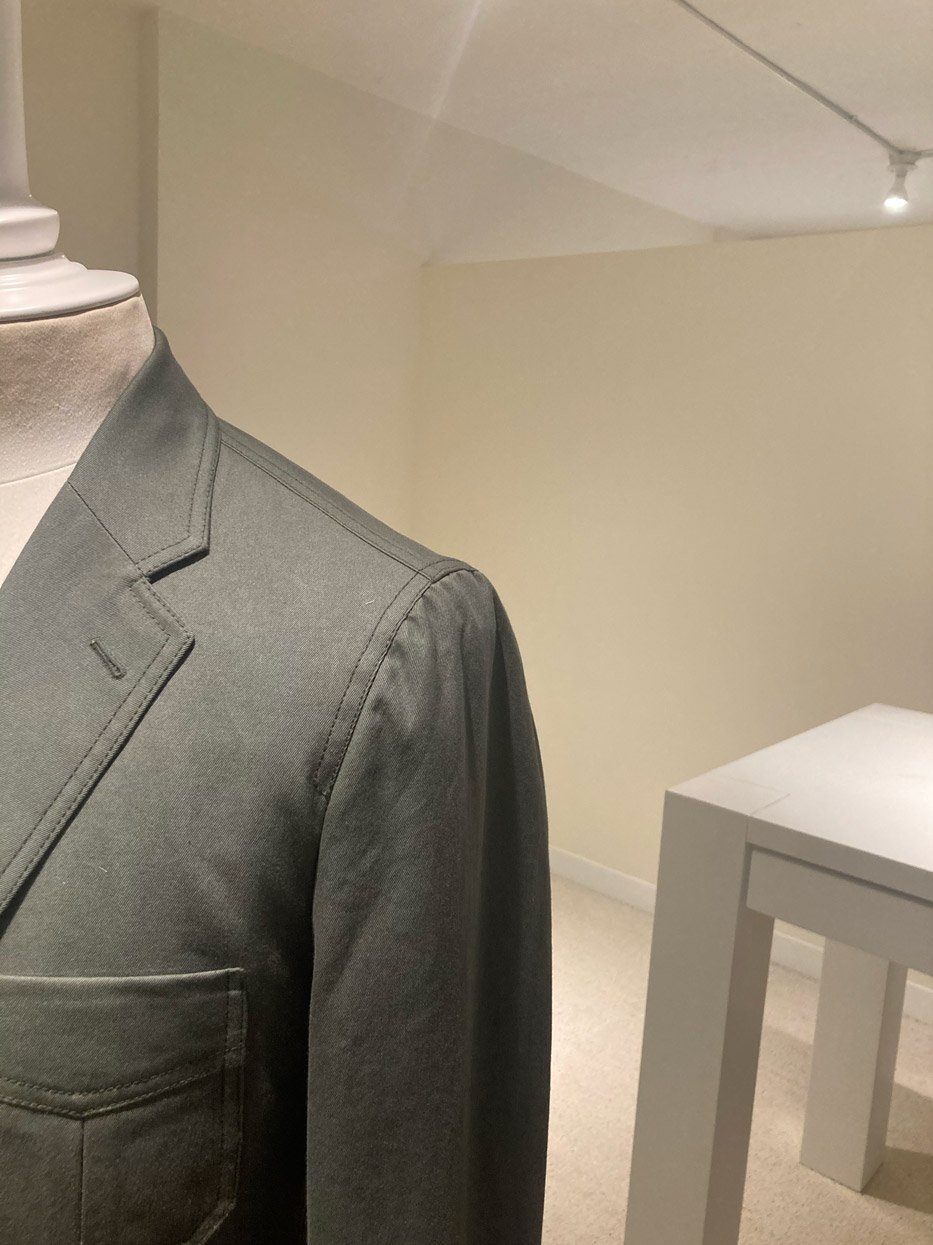
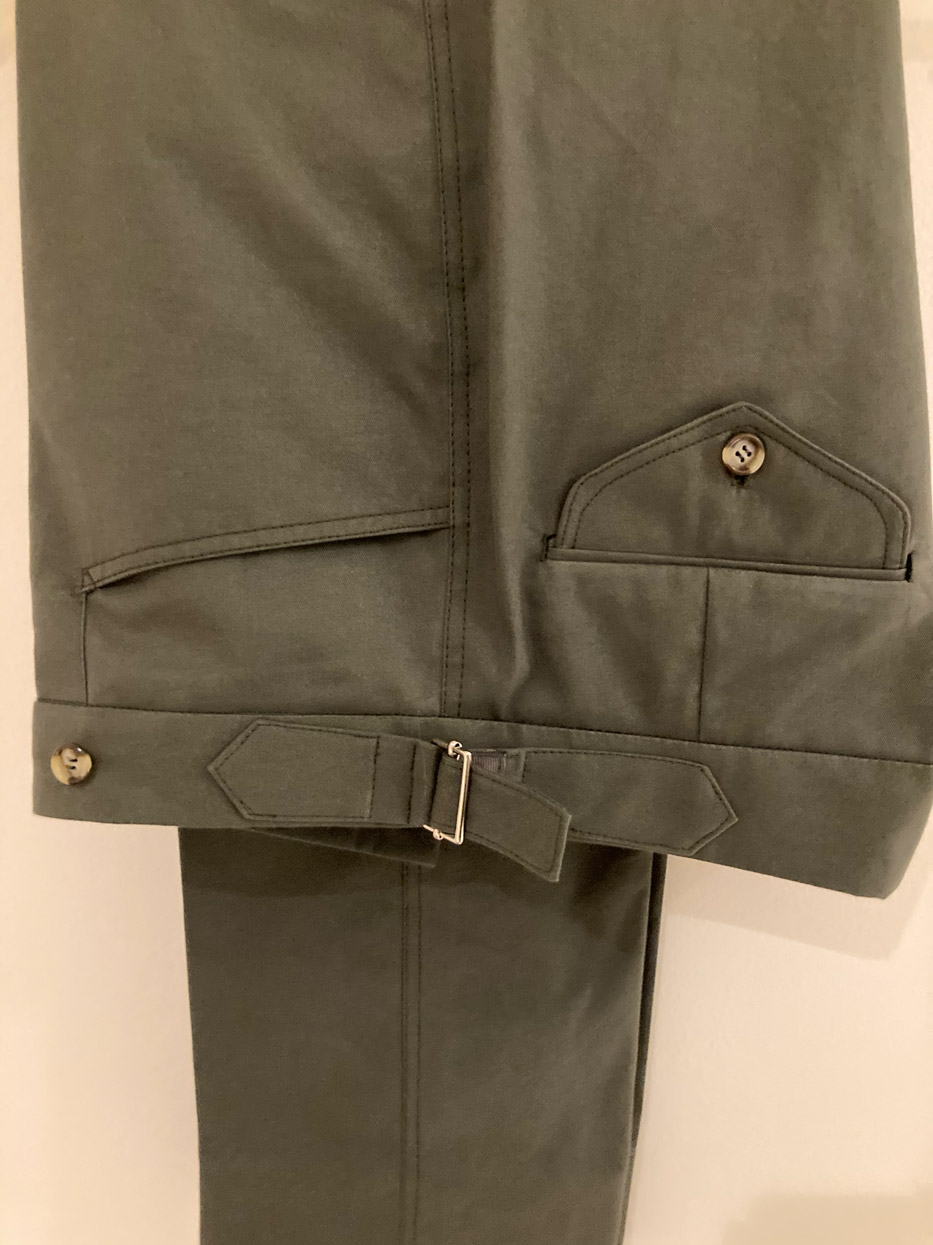
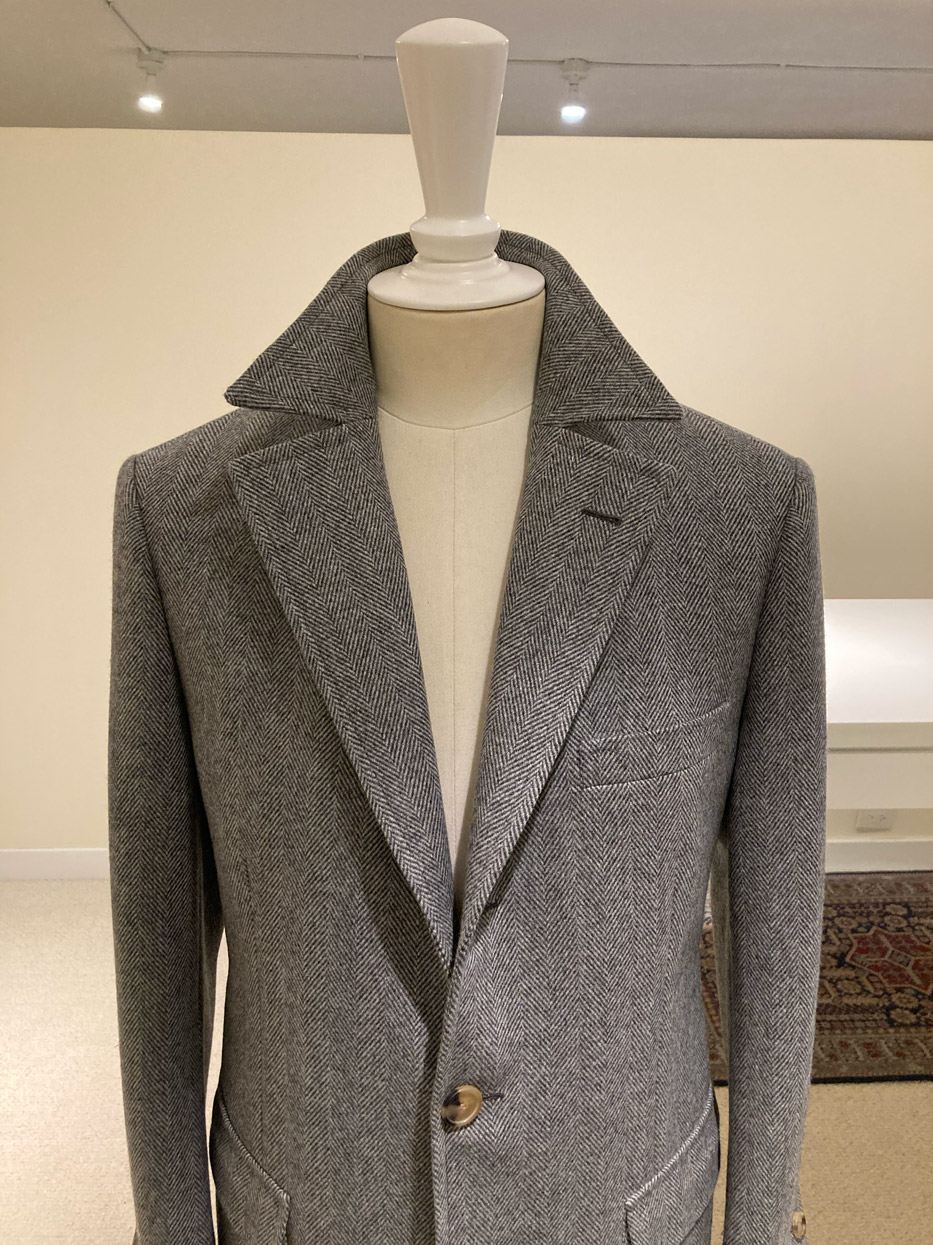
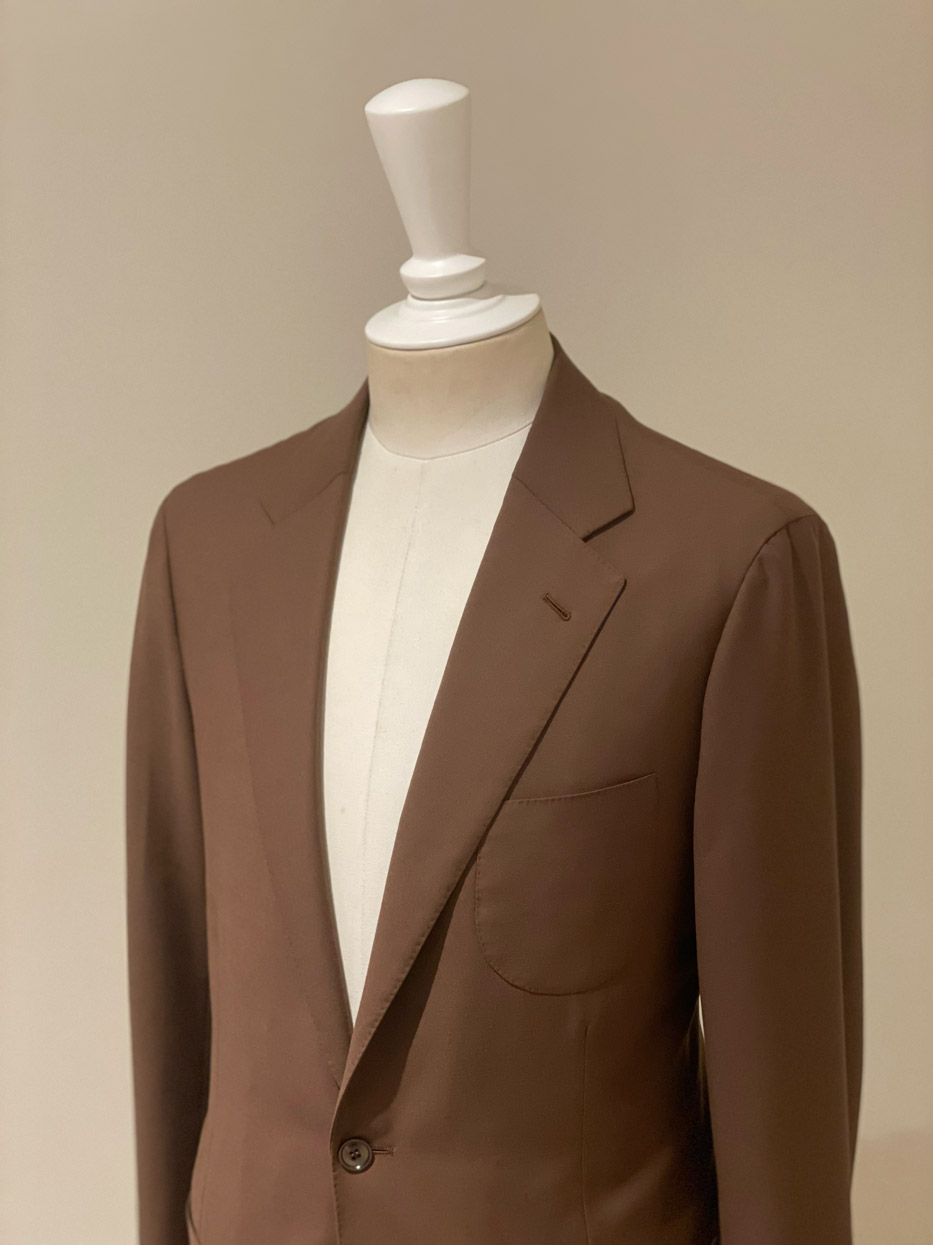
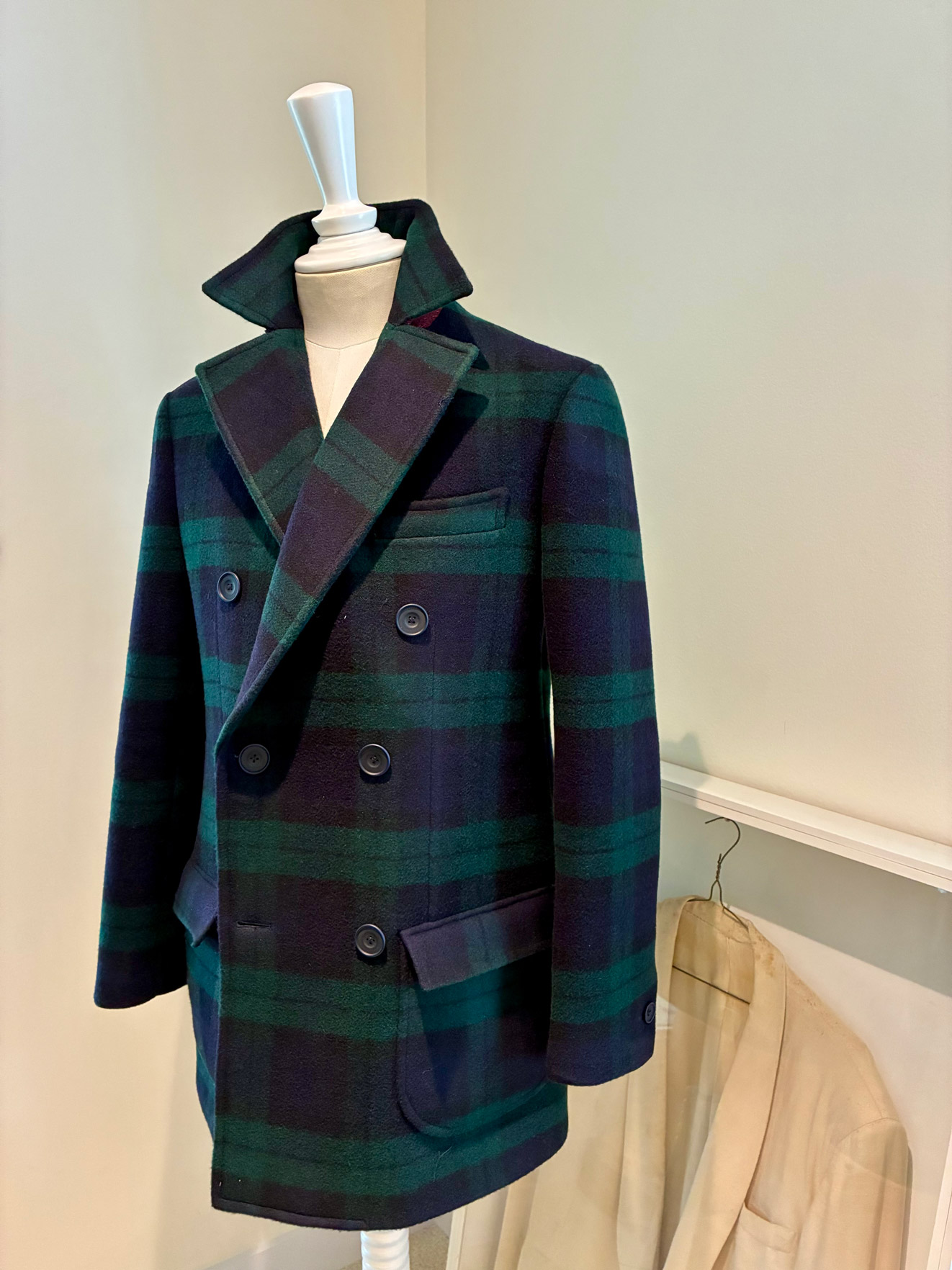
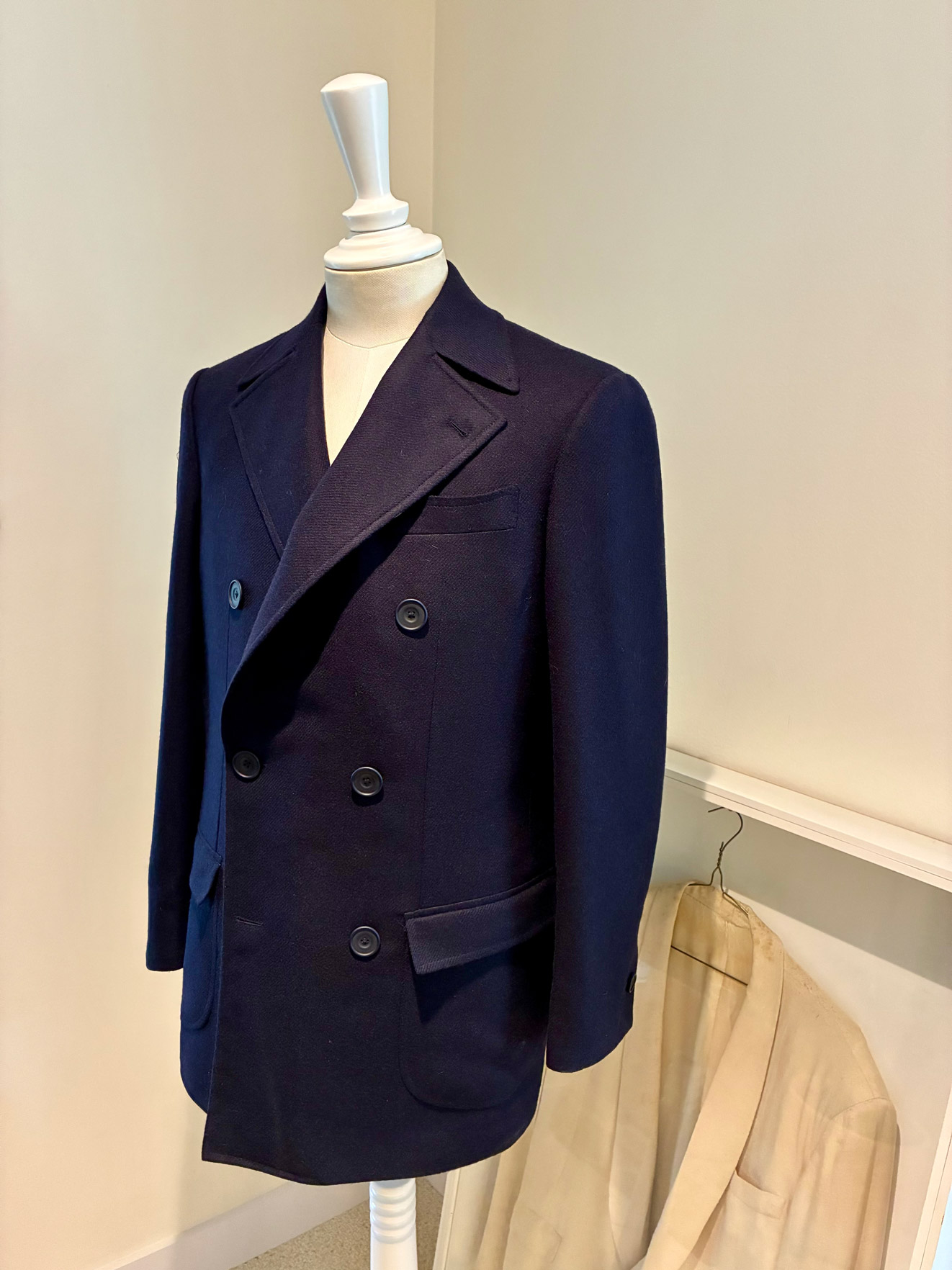
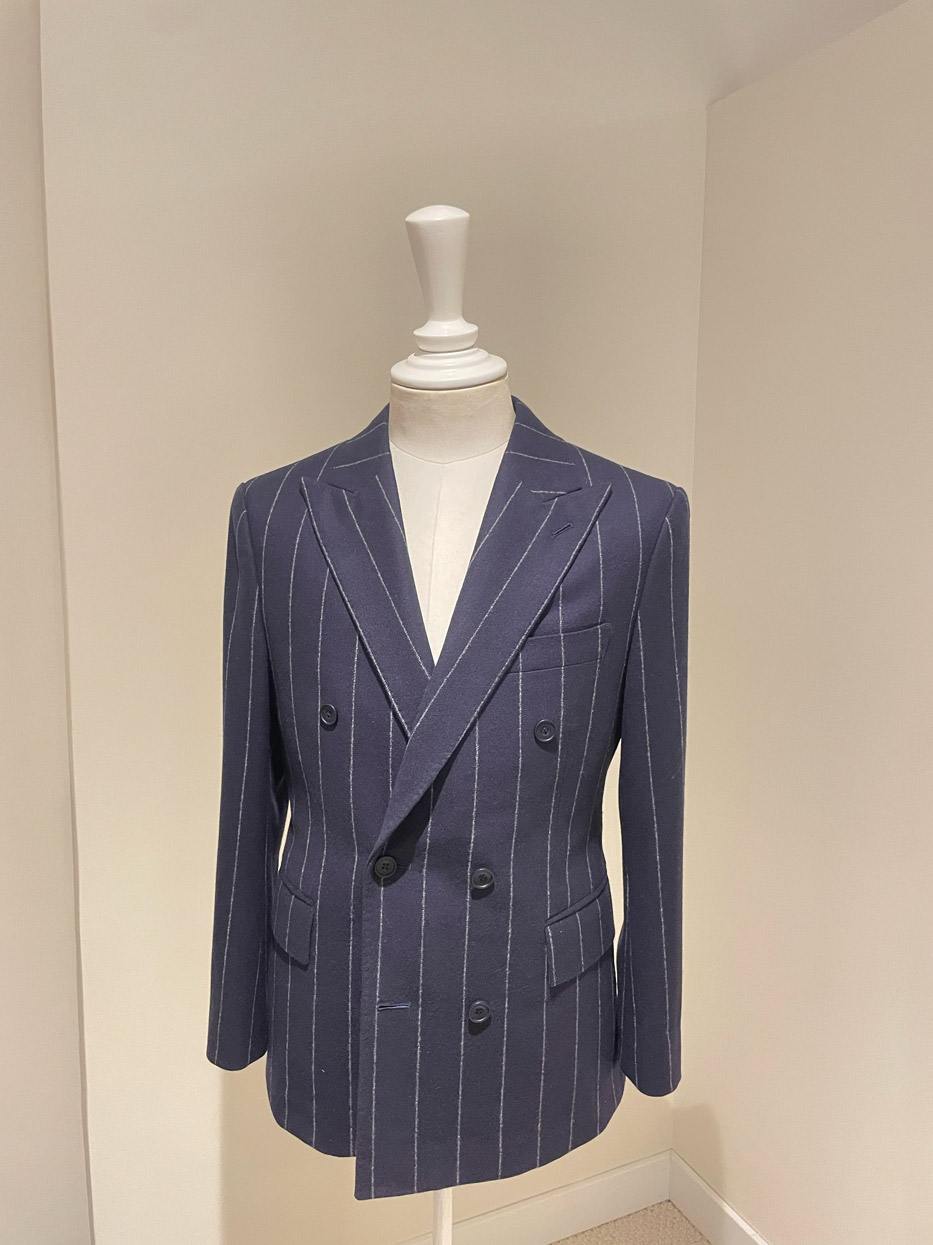
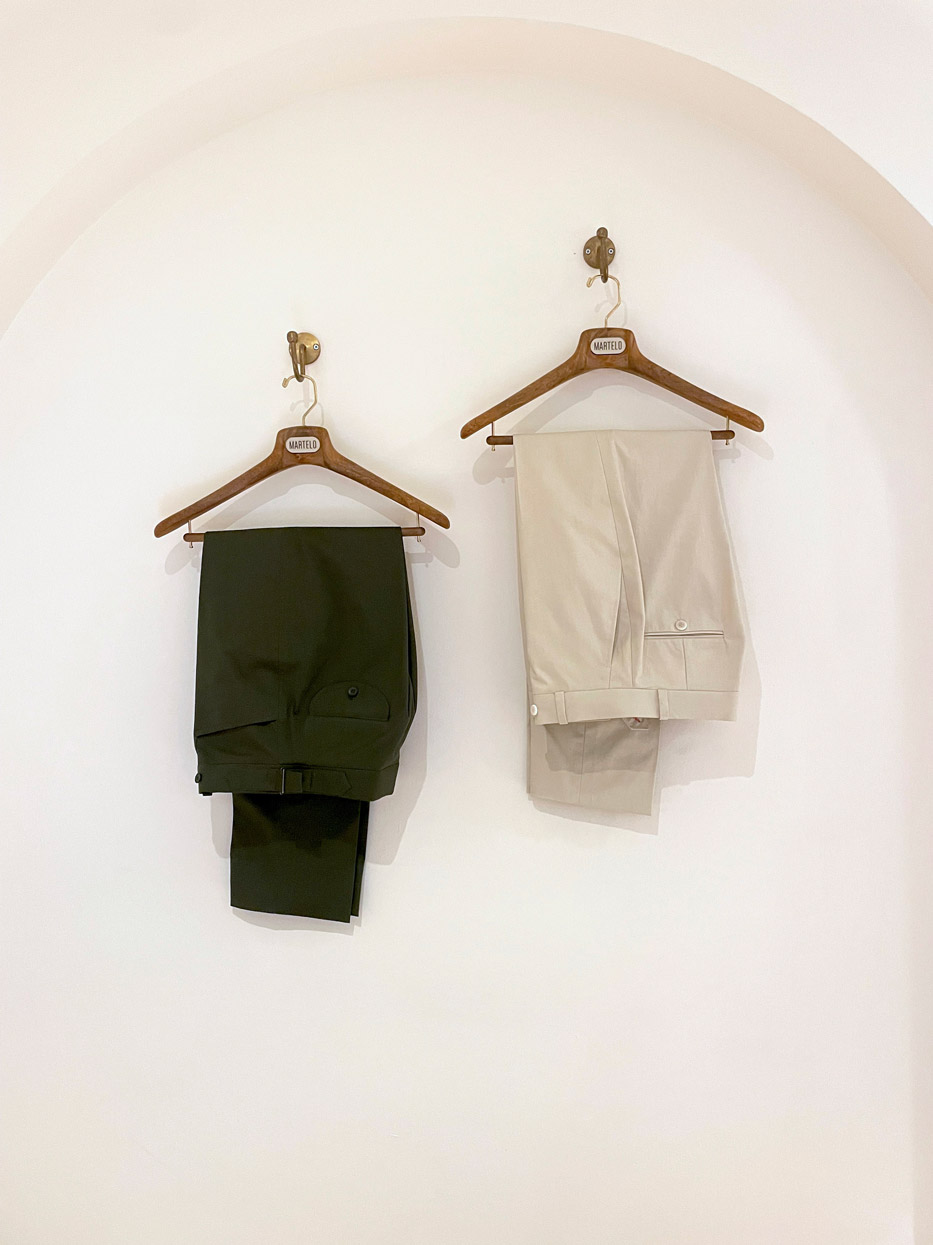
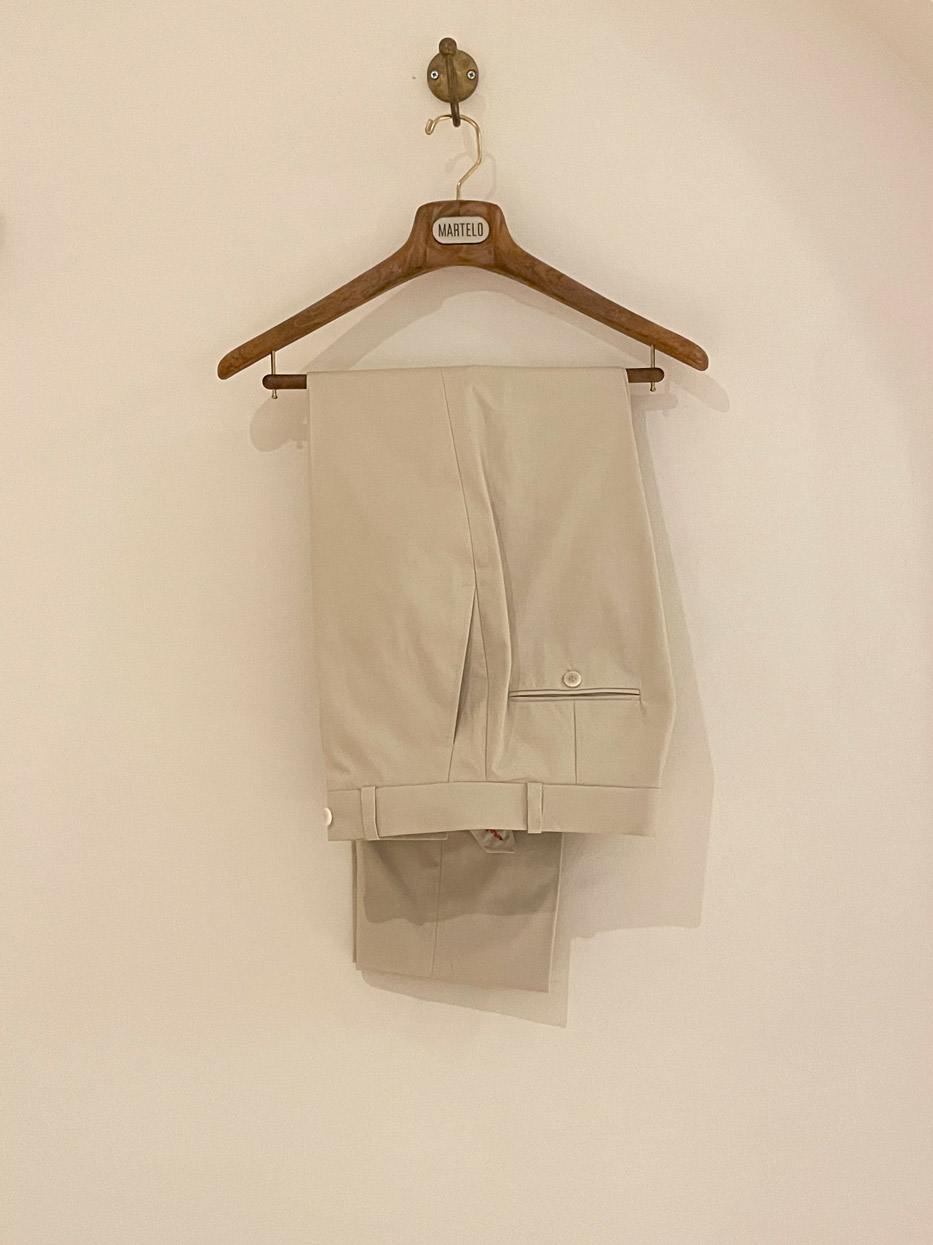
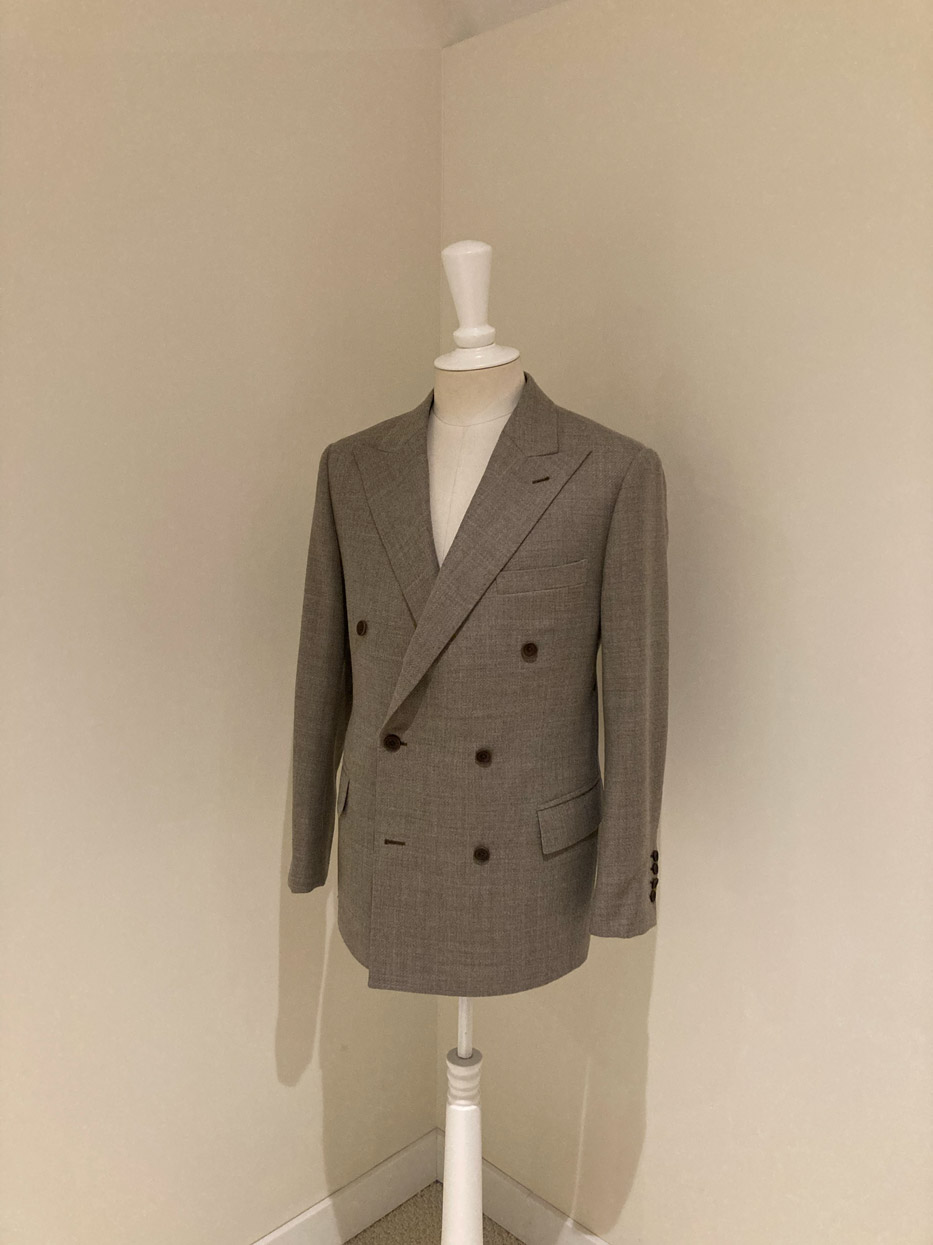
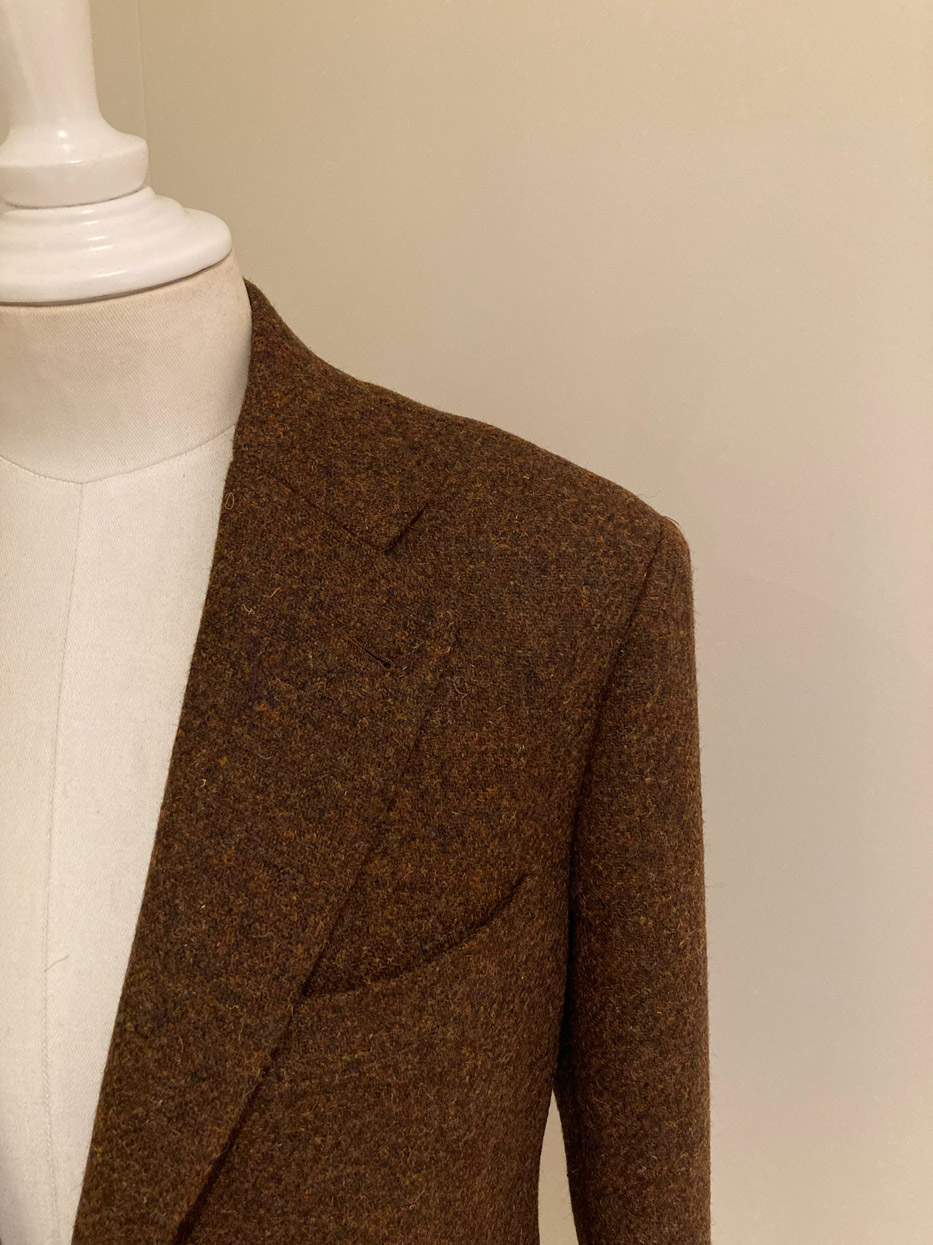
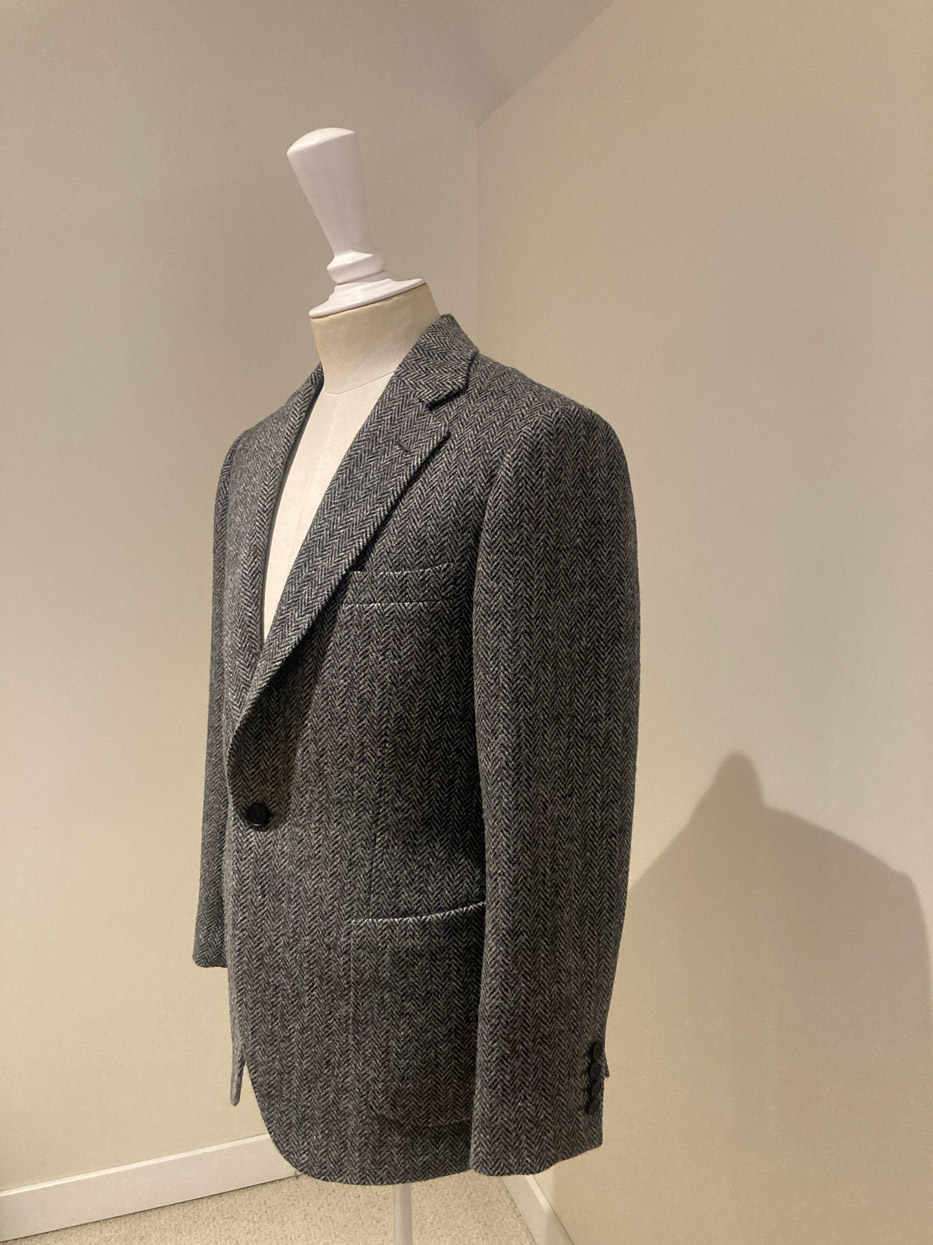
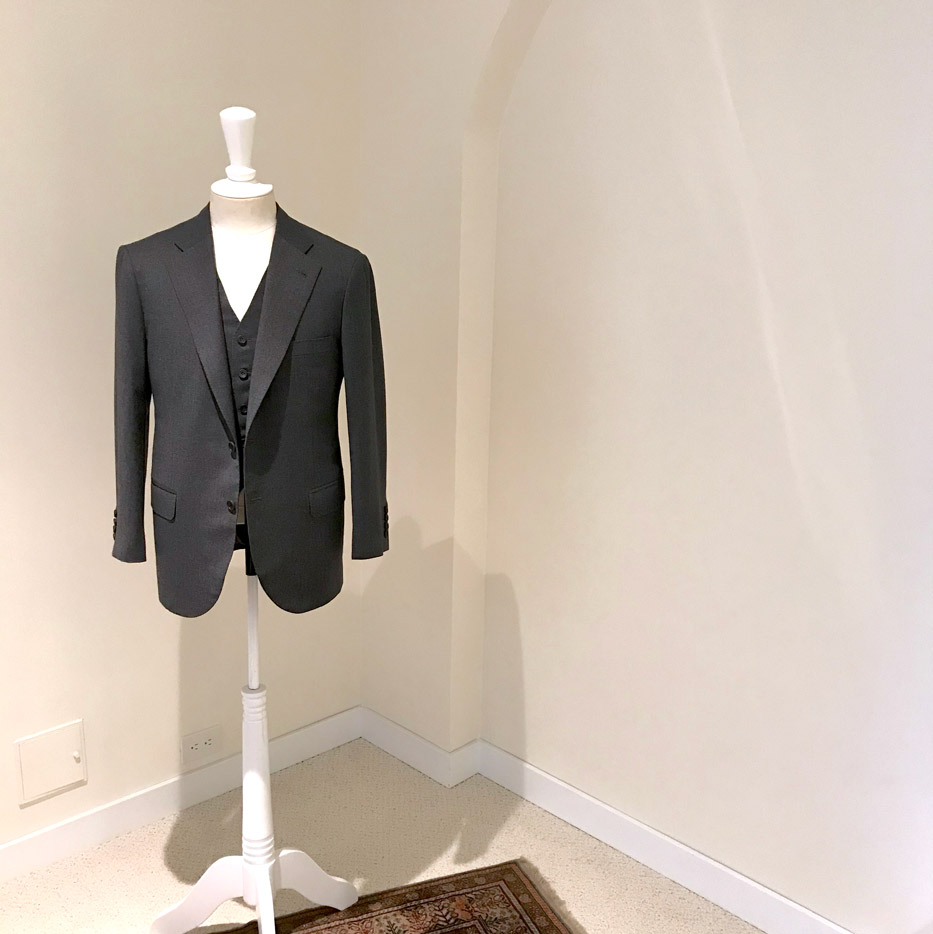
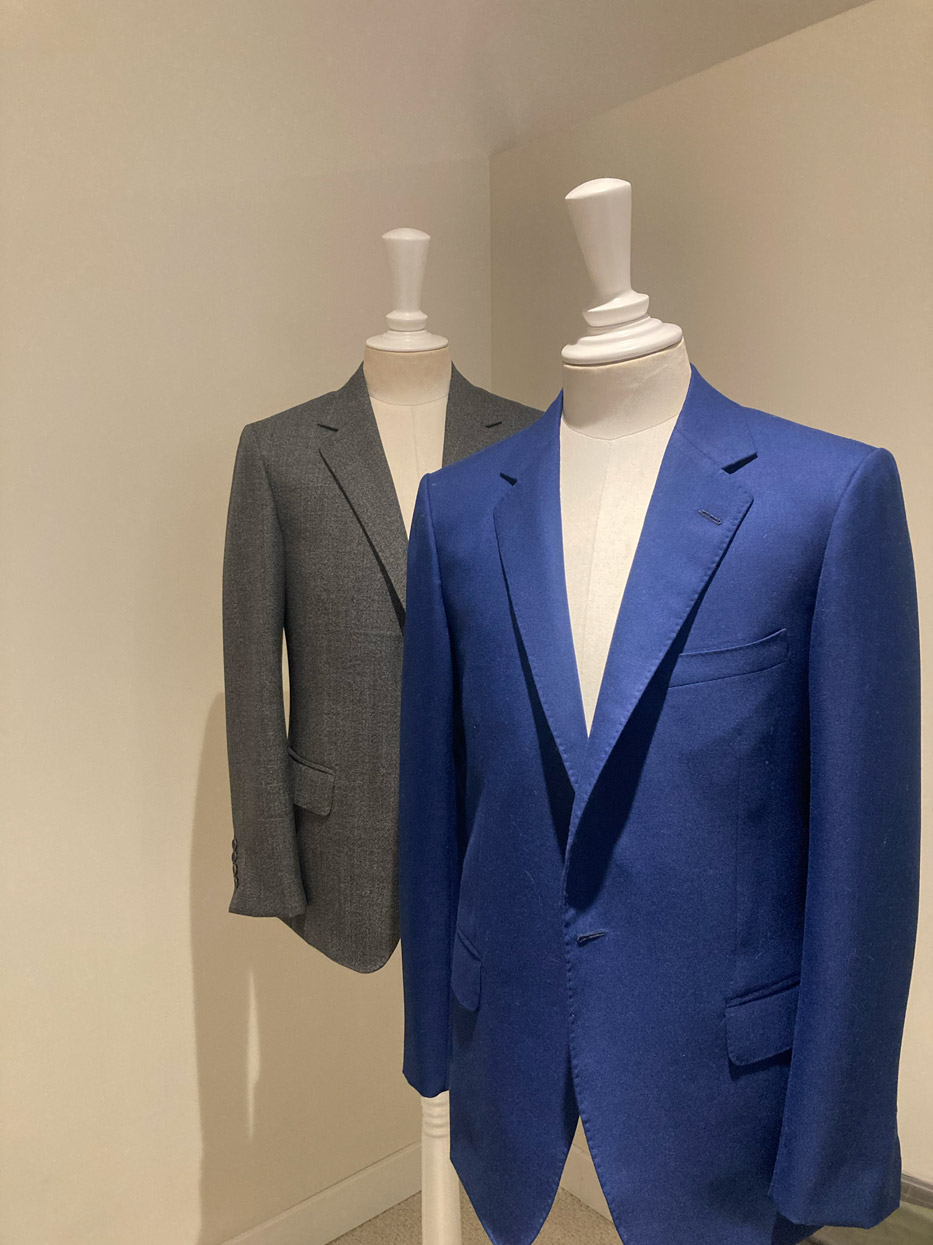
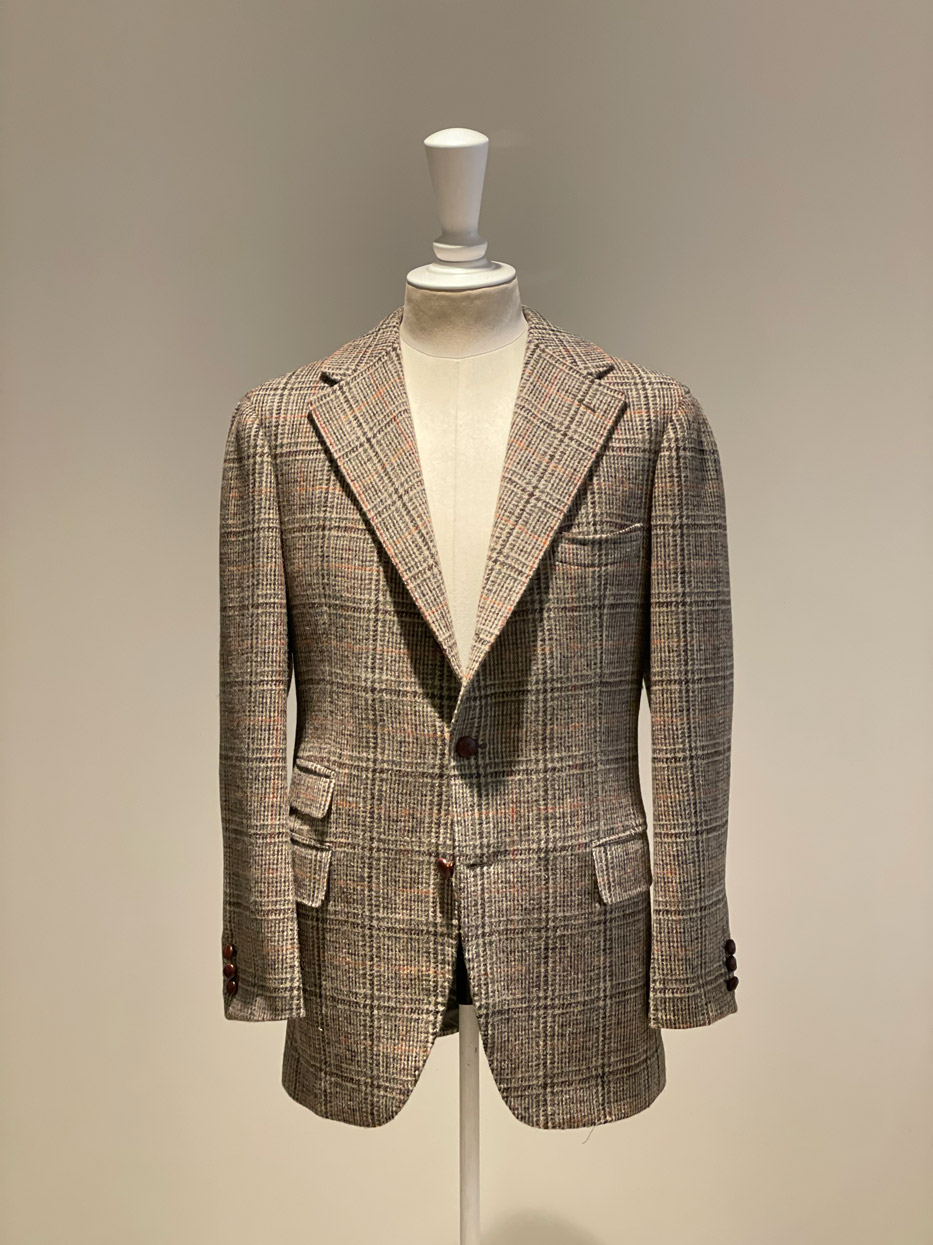
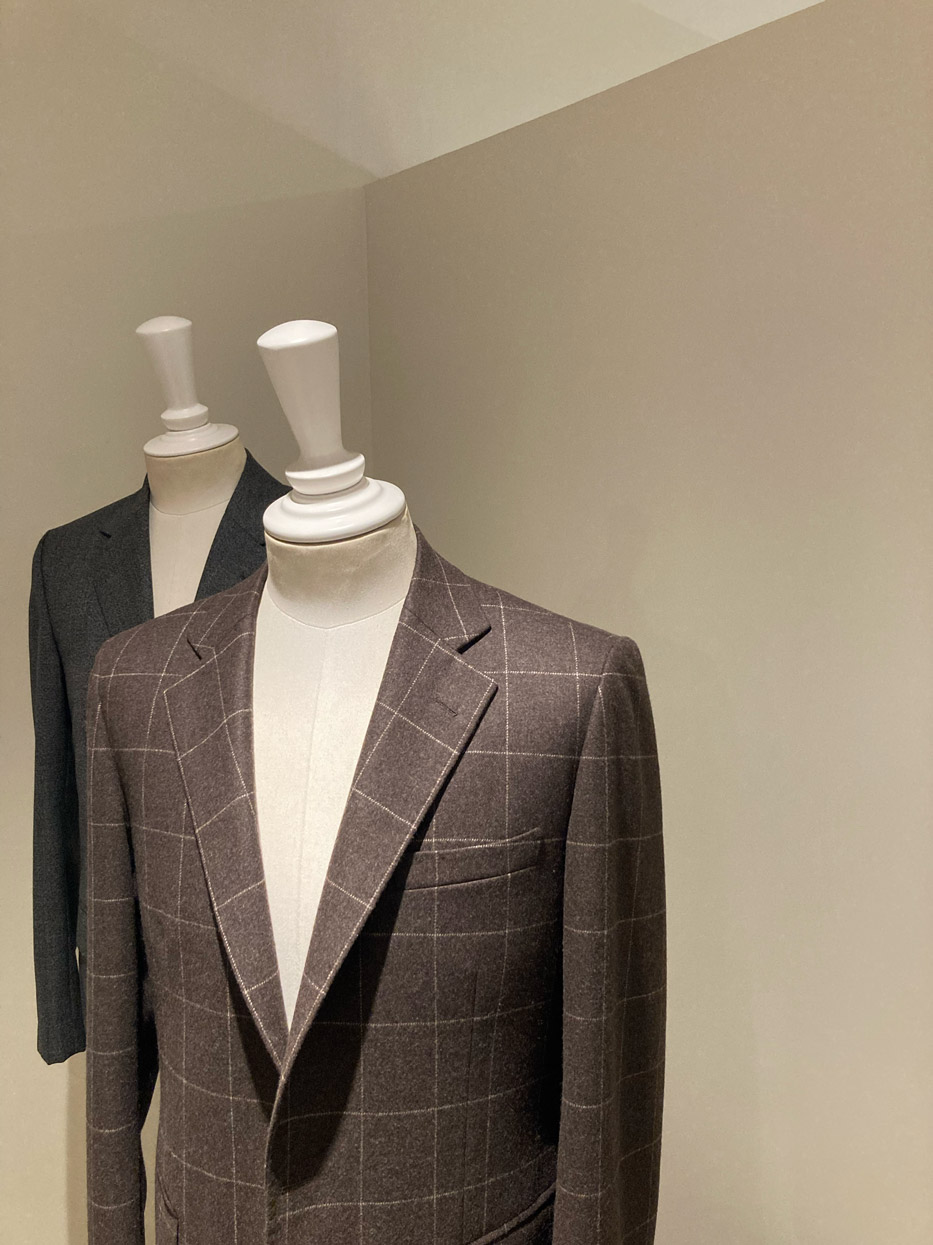
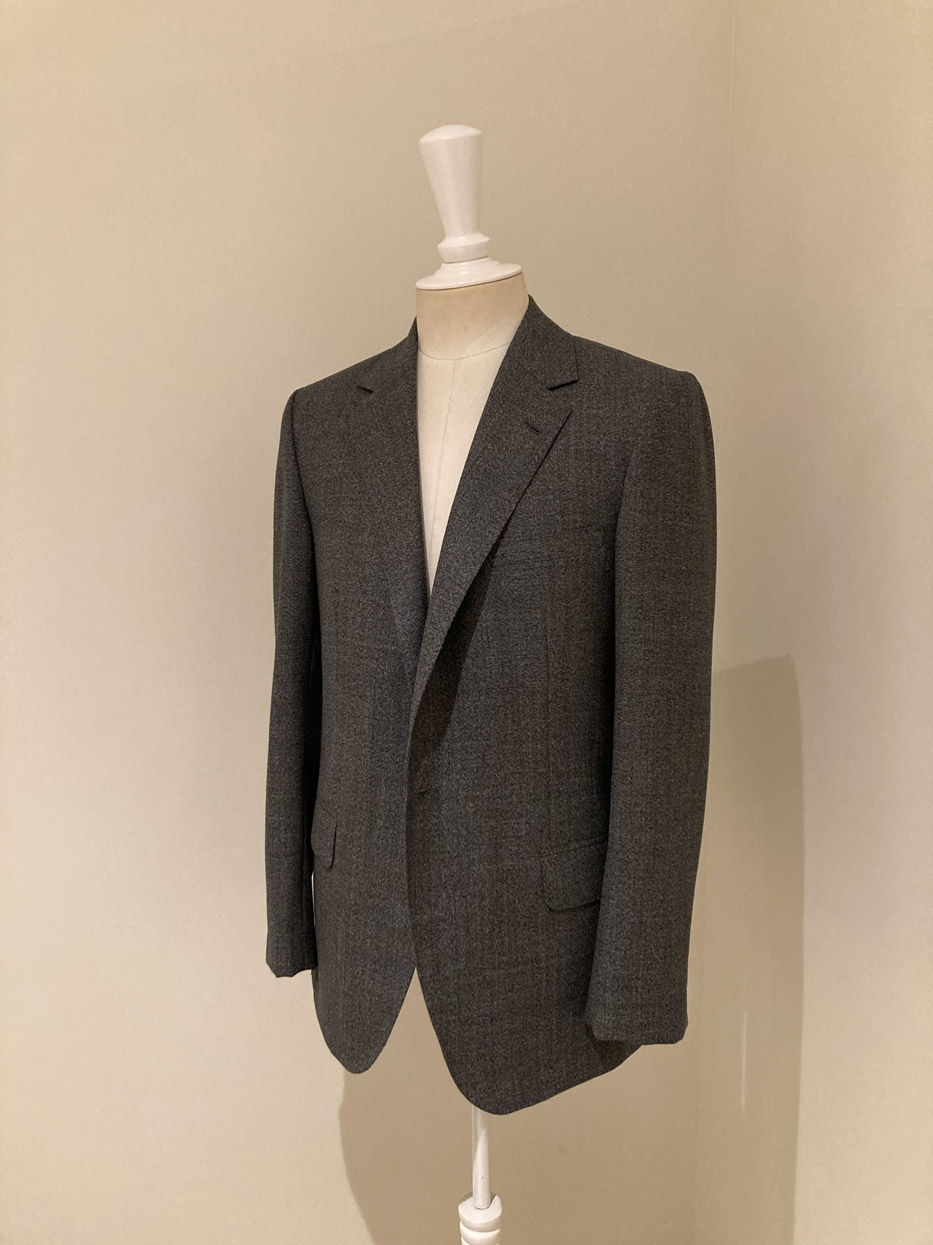
That view has opened the door for me to going beyond suits and jackets, expanding our range to include chore coats, peacoats, safaris, bombers, chinos—and beyond.
All with the same craftsmanship, attention to detail, and personalization.
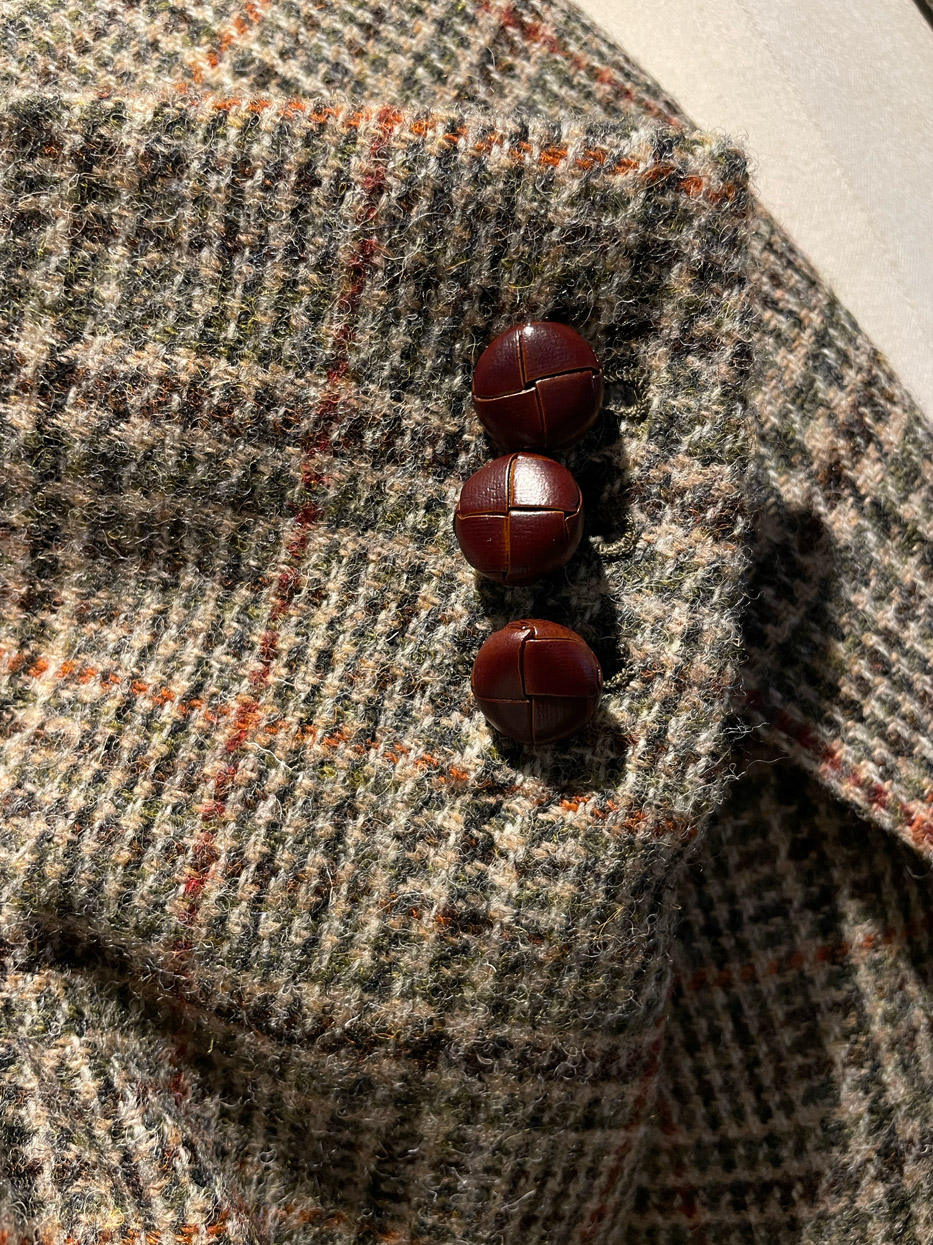
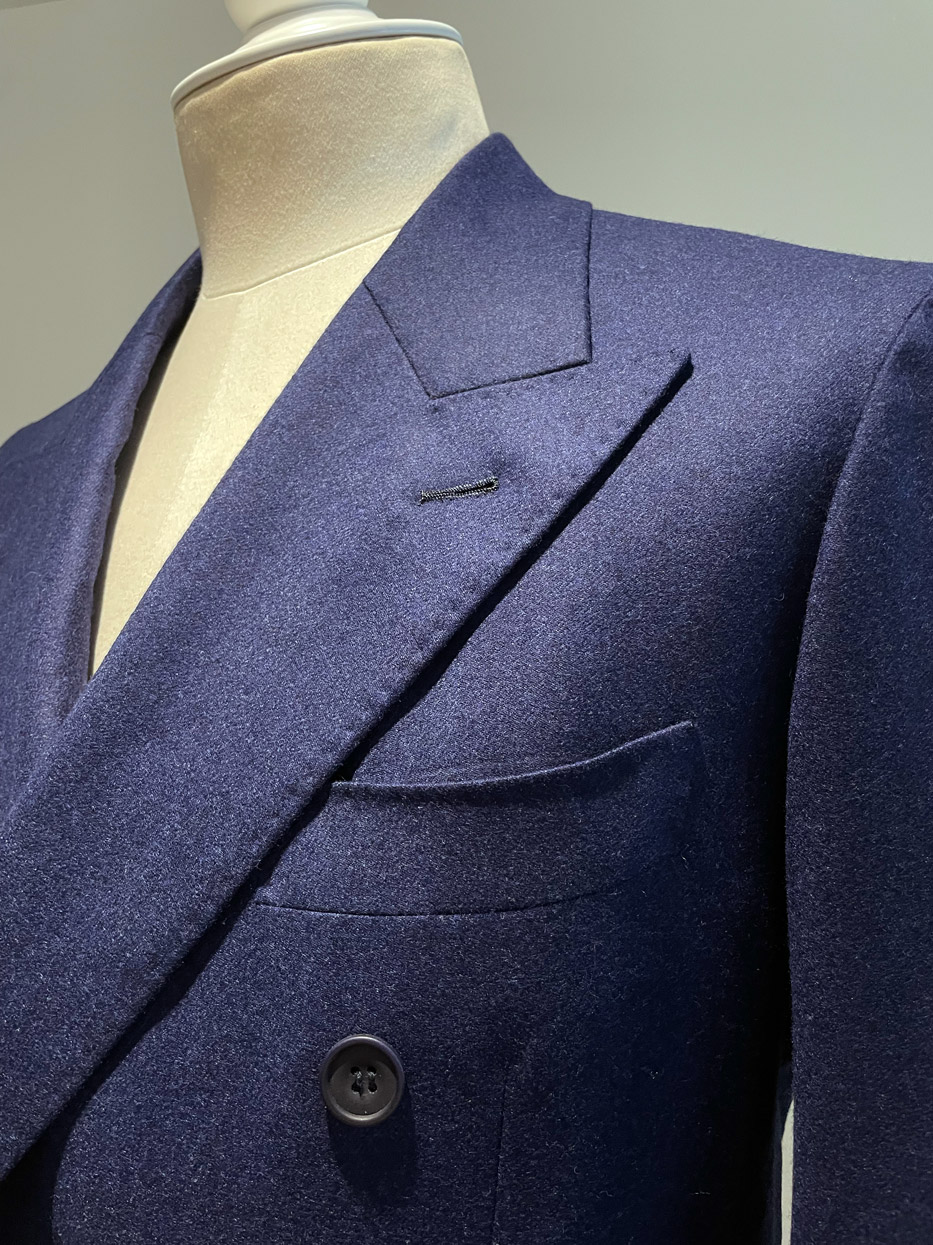
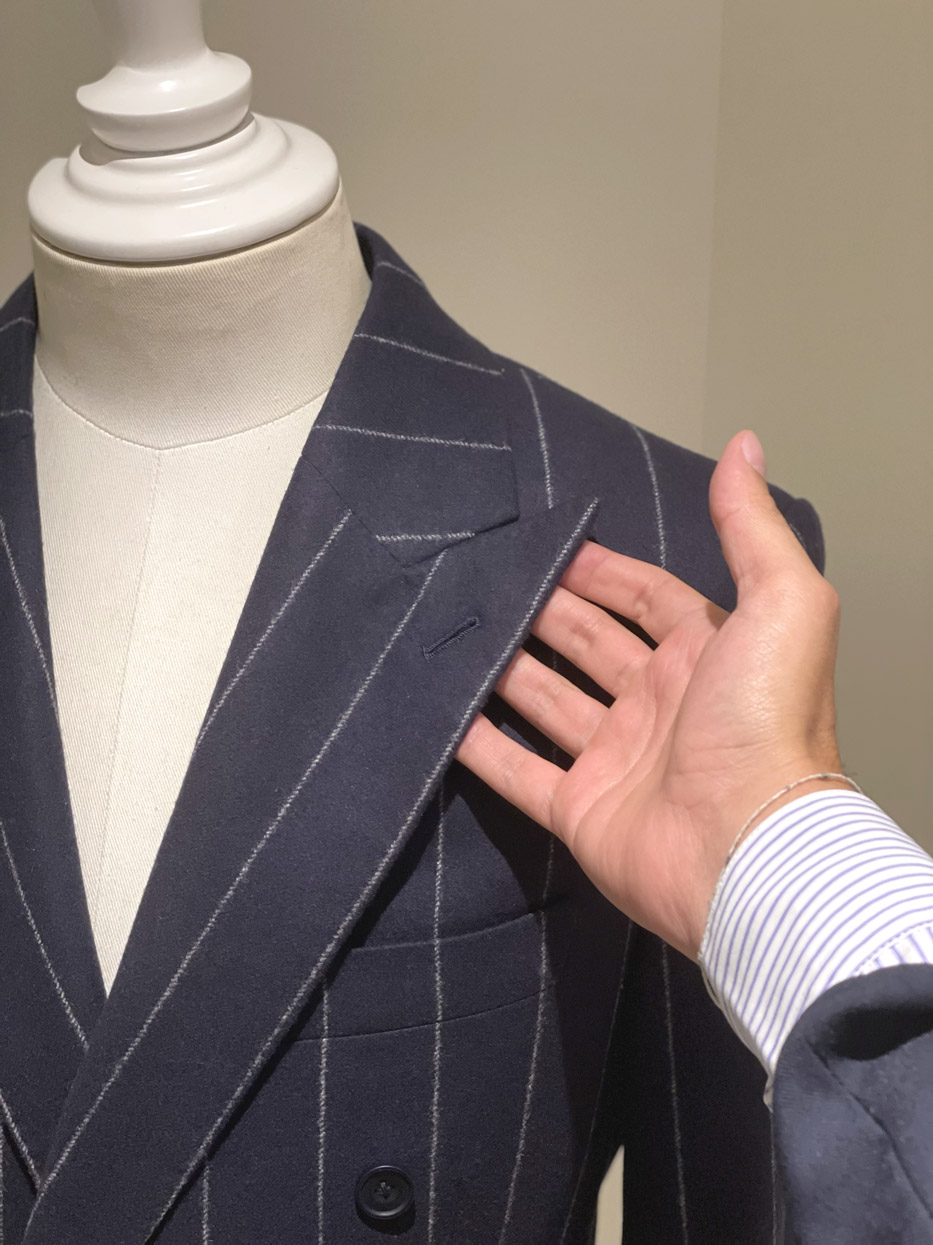
We stay true to the time-tested techniques of hand crafted menswear not out of stubbornness or nostalgia, but because—even as technology advances—these artisanal methods still deliver the best fit and the greatest beauty to men’s garments.
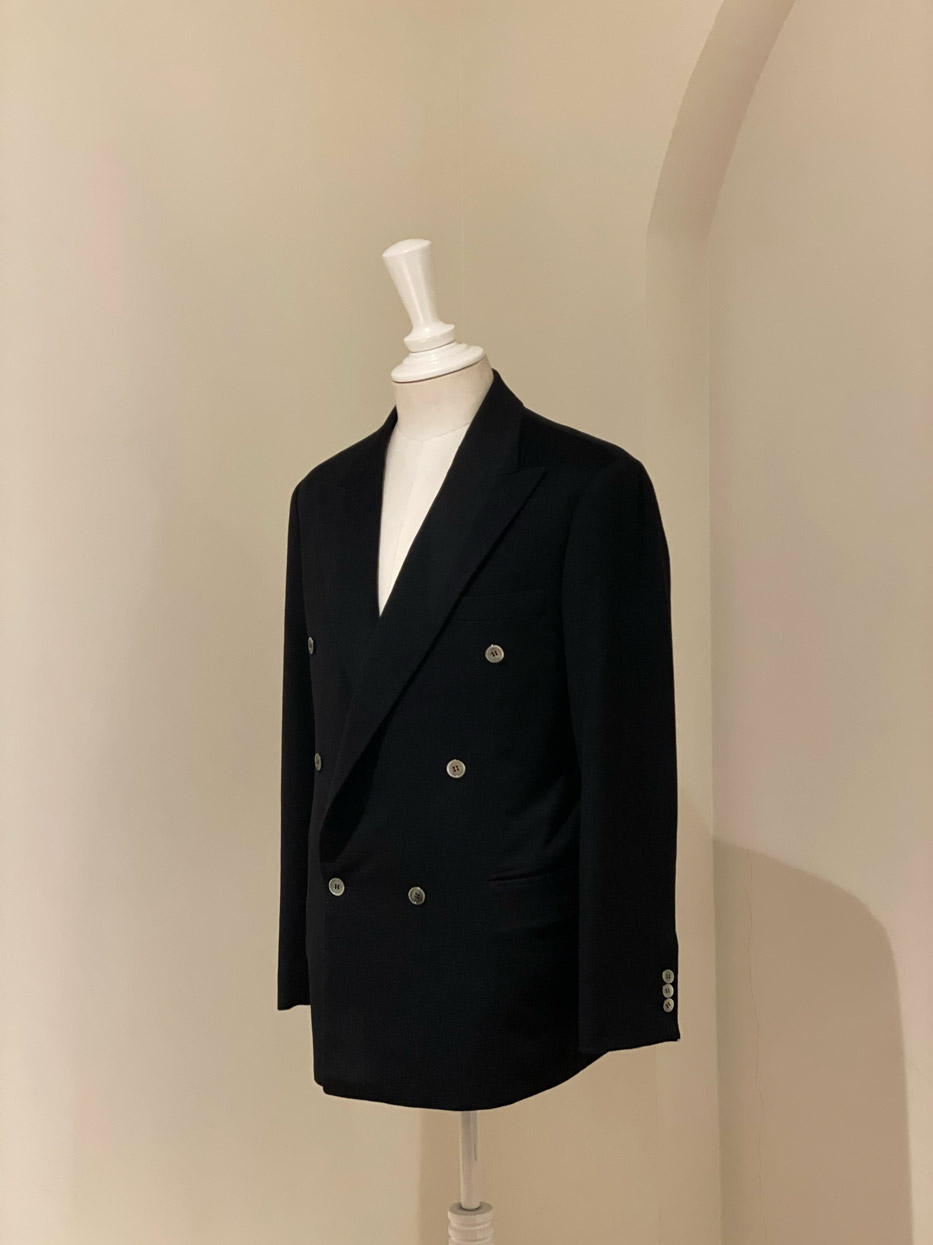
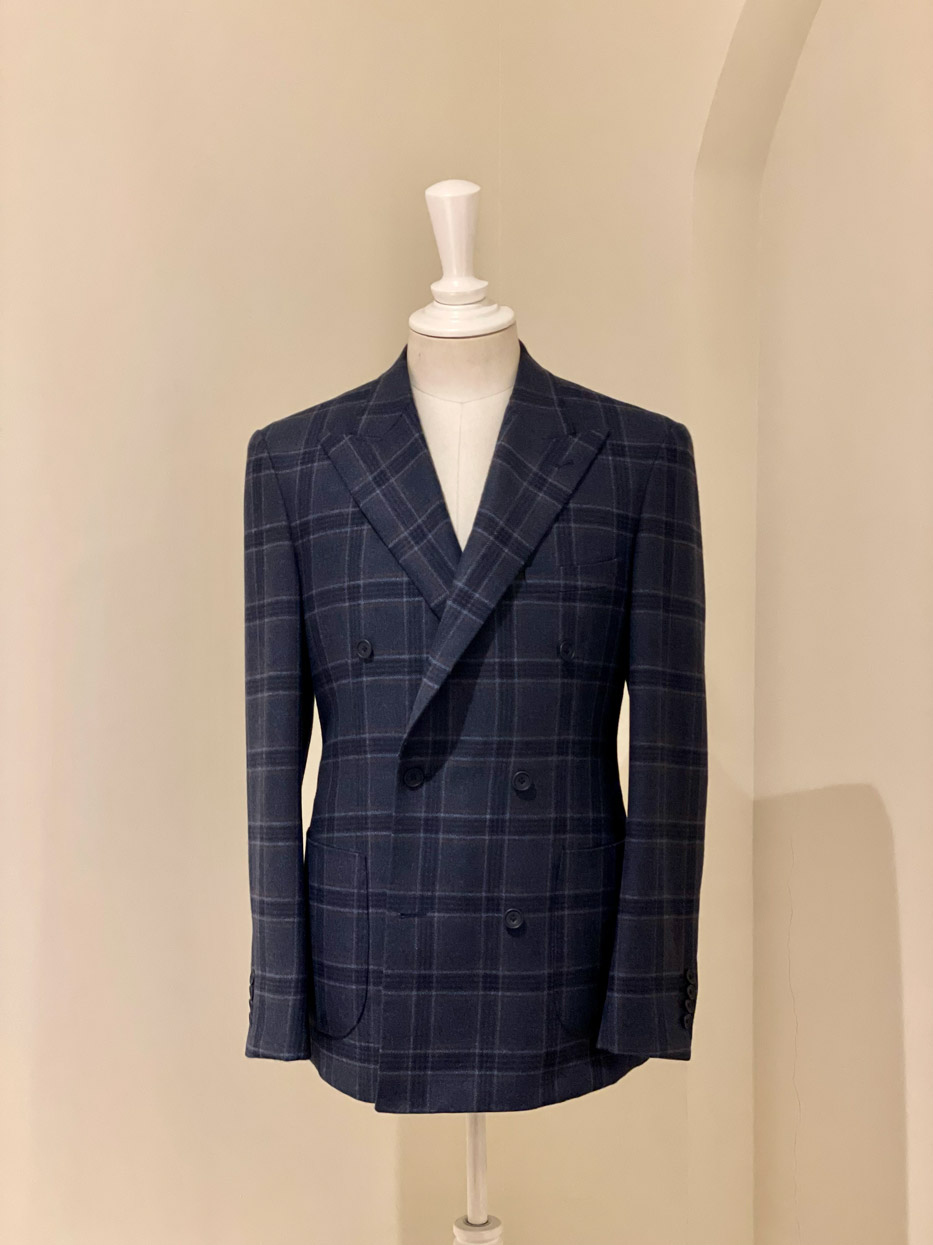
Bespoke:
Understanding the process
FAQ
The process typically takes around 2–3 months in Bogotá, and 5–6 months in New York.
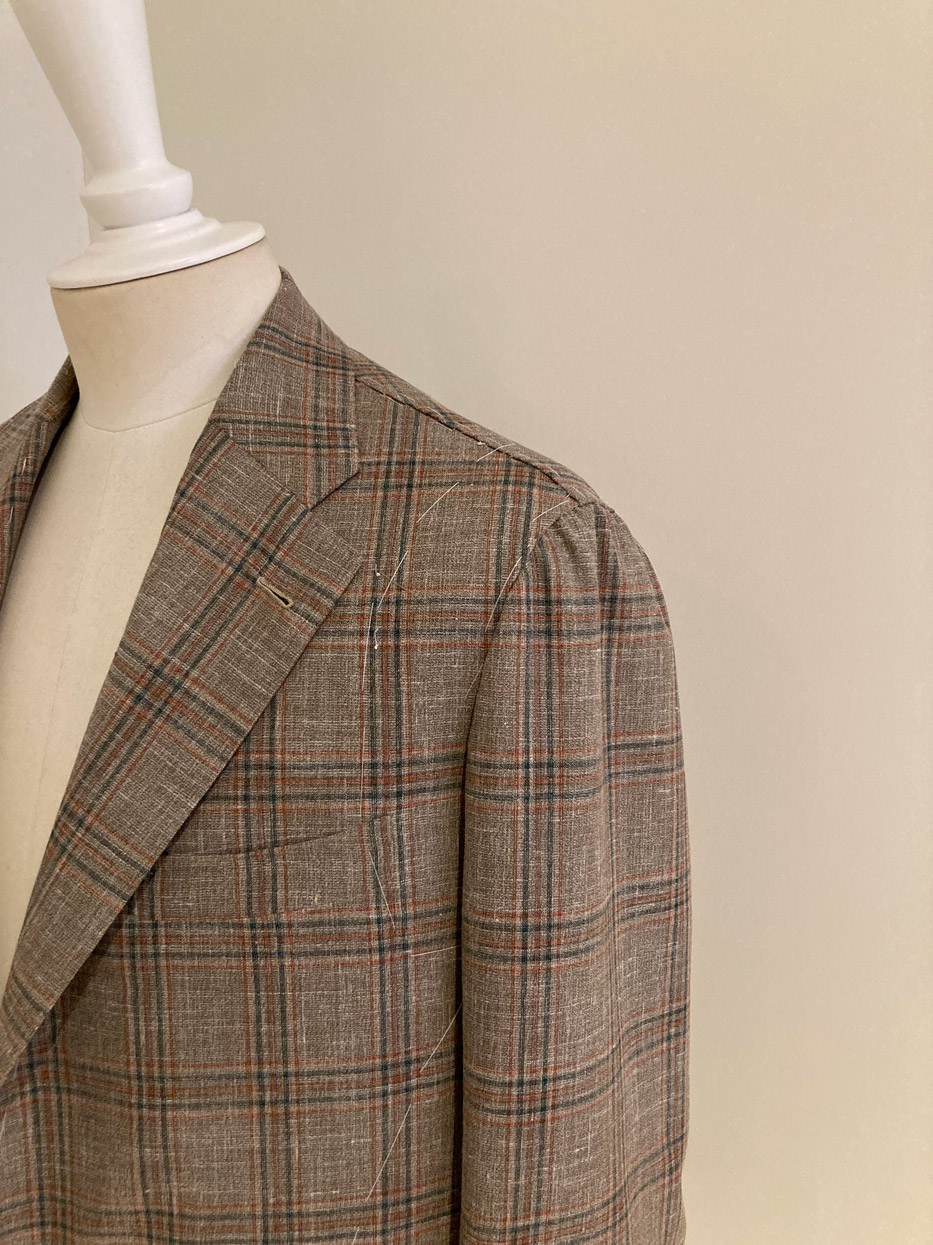
It begins with an initial consultation, where we decide on the fabric and details of your garment and I take your measurements, followed by around three fittings.
By the third fitting, the garment is fully pressed and finished. If no further adjustments are needed, you can take it with you. We still refer to it as a fitting, as final tweaks and refinements are often part of the process.
Once your paper pattern is established, we can reduce the number of fittings and assess the best approach for each commission.
Bespoke is the most beautiful way to make clothes. It’s noble, refined, patient, and good. I’m in love with everything about it. I’m here to preserve its traditions and introduce others to this world of beauty and grace—so that as long as there are men who want to have a tailor, they will always have a place to go.
asdf
Bespoke: /bɪˈspəʊk/ - Adjective - British
The process of commissioning a garment (most typically a sports jacket or suit) to be made exclusively for yourself starting from scratch; this means that the garment is made from your individual measurements, on a cloth or fabric of your choosing and with the design specifications that you pick.
Bespoke is a process by which you can acquire a jacket or a suit. Alternatively to bespoke you can also acquire these garments either ready-to-wear or made-to-measure. There are fundamental differences to these three forms of purchase and while to define them requires me to incur in broad generalizations I’m gonna do it nonetheless. From here on I will speak only about jackets but it applies to shirts, trousers and, of course, full suits.
Ready-to-wear
Whatever jacket you buy rady-made, completely finished, out of any store.
Some stores offer alterations to be made on these finished products (those range from only altering the length of the sleves to more complex adjustments like tapering, shorteing or messing with the shoulders). These suits are factory made in industrial lines of assembly usually using a “fused” method of construction (if it’s canvased then it will be machine canvased). The quality of the build and finishing will vary tremendously from brand to brand and so will the fit. Even if they are the same size on the label each brand accomodates the sillluhette according to its own style. Sizes make reference to what average chest measurment they intend the garment to fit but from there onwards everything else s is entirely up to them (say length, shoulder size, button stance, lapel size, how tapered it is, etc.).
Made to measure
A fitter or salesperson takes your measurements and they build you a jacket by adapting those measurements to a pre-made paper pattern.
Again - even though the paper pattern makes reference to a specific chest size the proportions each brand choses to apply for the rest of the garment are entirely up to them. The range of formats and levels of quality are even bigger than in RTW: sometimes there are fittings, sometimes there are no fittings, some fuse their jackets, some half canvased their jackets, and some even fully canvas their jackets (again this would be machine canvasing). Some are really shitty, and some are really great. Some let you make the jacket as you want and let you pick pocket details and linings and have tons of cloth selections from which you can make your order. Some don’t. Some even let you pick between different types of fit, some only have the one fit.
Bespoke
When a tailor takes your measurements and starts to build a jacket for you from scratch.
He does this by drawing a paper pattern based on your measurements and posture indications and then tweaks it to fit you through a process of fittings.
It has to be from an individual, it has to have fittings, the jacket has to be full canvased and padded by hand.
There range of formats on bespoke are rather limited, the styles are not - every tailor has his own taste and style of how to cut and build things. For the most part, as a process, bespoke is bespoke: The amount of fittings depends on the tailor. The garment is always full canvased.
Bespoke:
/bɪˈspəʊk/ - Adjective - British
The process of commissioning a garment (most typically a sports jacket or suit) to be made exclusively for yourself starting from scratch; this means that the garment is made from your individual measurements, on a cloth or fabric of your choosing and with the design specifications that you pick.
Bespoke is a process by which you can acquire a jacket or a suit. Alternatively to bespoke you can also acquire these garments either ready-to-wear or made-to-measure. There are fundamental differences to these three forms of purchase and while to define them requires me to incur in broad generalizations I’m gonna do it nonetheless. From here on I will speak only about jackets but it applies to shirts, trousers and, of course, full suits.
Ready-to-wear
Whatever jacket you buy rady-made, completely finished, out of any store.
Some stores offer alterations to be made on these finished products (those range from only altering the length of the sleves to more complex adjustments like tapering, shorteing or messing with the shoulders). These suits are factory made in industrial lines of assembly usually using a “fused” method of construction (if it’s canvased then it will be machine canvased). The quality of the build and finishing will vary tremendously from brand to brand and so will the fit. Even if they are the same size on the label each brand accomodates the sillluhette according to its own style. Sizes make reference to what average chest measurment they intend the garment to fit but from there onwards everything else s is entirely up to them (say length, shoulder size, button stance, lapel size, how tapered it is, etc.).
Made to measure
A fitter or salesperson takes your measurements and they build you a jacket by adapting those measurements to a pre-made paper pattern.
Again - even though the paper pattern makes reference to a specific chest size the proportions each brand choses to apply for the rest of the garment are entirely up to them. The range of formats and levels of quality are even bigger than in RTW: sometimes there are fittings, sometimes there are no fittings, some fuse their jackets, some half canvased their jackets, and some even fully canvas their jackets (again this would be machine canvasing). Some are really shitty, and some are really great. Some let you make the jacket as you want and let you pick pocket details and linings and have tons of cloth selections from which you can make your order. Some don’t. Some even let you pick between different types of fit, some only have the one fit.
Bespoke
When a tailor takes your measurements and starts to build a jacket for you from scratch.
He does this by drawing a paper pattern based on your measurements and posture indications and then tweaks it to fit you through a process of fittings.
It has to be from an individual, it has to have fittings, the jacket has to be full canvased and padded by hand.
There range of formats on bespoke are rather limited, the styles are not - every tailor has his own taste and style of how to cut and build things. For the most part, as a process, bespoke is bespoke: The amount of fittings depends on the tailor. The garment is always full canvased.